How to Practice Price Action Without Live Money
A replay-first workflow for practising price action without live money, training context, invalidation and review before real risk.
Key Takeaways
- Price action improves faster when you train one setup family at a time.
- Replay usually teaches chart reading better than random paper trading alone.
- A short non-live workflow is more useful than a long unfocused practice block.
- Review and risk planning matter because pattern recognition without discipline still breaks down.
If you want to know how to practice price action without live money, the clean answer is this: use replay to train the read, use review to label the miss, and use simple risk tools to pressure-test the idea. Most beginners skip straight from theory to live fear. That is why the learning curve feels slow and expensive.
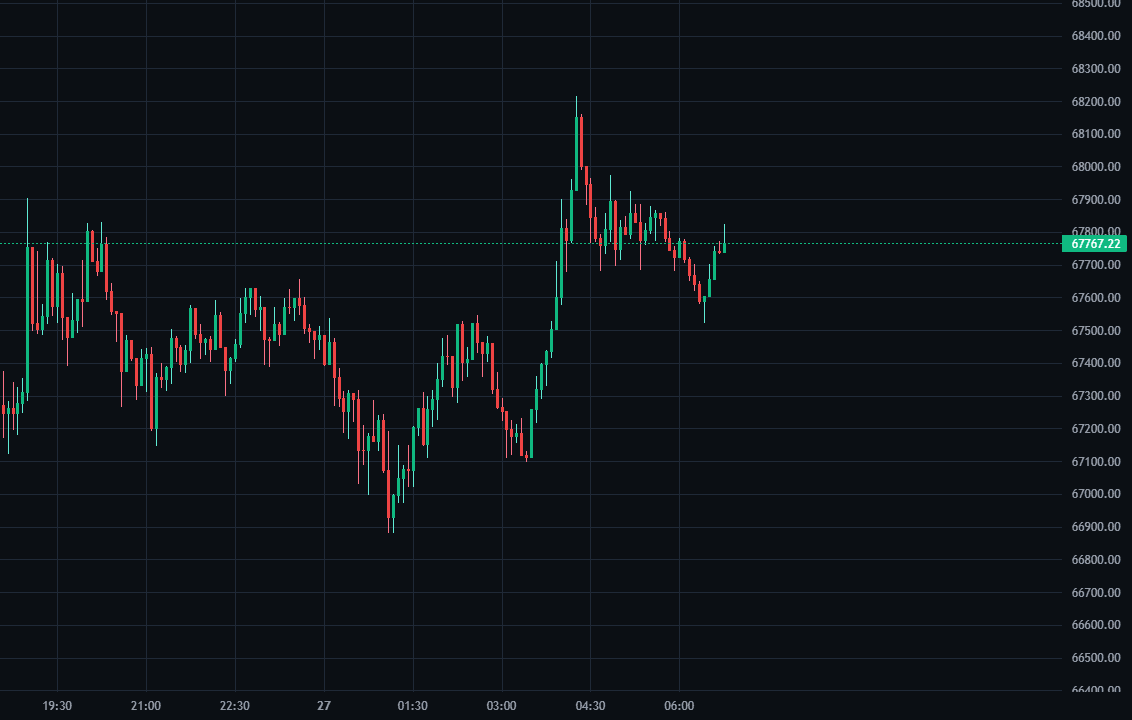
Price action gets stronger when the market is still uncertain, the future is hidden, and the review is immediate. That is exactly why replay matters more than random screen time.
Visual model
The non-live price action practice stack
Each layer solves a different part of the learning problem. The read comes first, not the fake PnL.
Context
Replay the chart before the answer is visible
You need a decision window where structure, liquidity, and invalidation still have to be interpreted in real time.
Commit
Force one clear setup read
Pick one setup family and one trade idea instead of describing ten possible outcomes after the fact.
Reveal
Let price print forward in sequence
This is where weak context, weak timing, or weak invalidation becomes obvious without live-money pressure.
Review
Tag the miss and write the next rule
The replay only matters if it changes what you will filter, wait for, or skip next session.
Pressure-test
Check whether the risk logic still makes sense
Position sizing, stop distance, and drawdown awareness keep the practice realistic without turning it into account-roleplay.
Why live money is a bad first teacher
Live money mixes too many skills too early:
- chart reading
- emotional control
- execution speed
- sizing discipline
- drawdown tolerance
That stack is too heavy for a beginner who still does not know whether the setup was even there.
This is why How to Practice Trading Without Real Money is still one of the best entry paths. Non-live practice lets you separate chart skill from account stress.
What to use instead of live money
For most beginners, the best stack is not one tool. It is a sequence of tools.
| Practice layer | Best use | Where it helps | Where it falls short |
|---|---|---|---|
| Replay practice | Pattern recognition and setup repetition | Forces a decision before the reveal and makes review easier | Does not fully simulate live execution pressure |
| Paper trading or demo account | Order placement and platform comfort | Helps with basic execution rhythm | Often too slow and too noisy for repeated setup practice |
| Journal review | Mistake labeling and next-session rules | Turns misses into reusable feedback | Fails if the notes stay vague |
| Risk tools | Stop logic, sizing, and drawdown awareness | Keeps practice grounded in real trade constraints | Cannot replace chart reading |
For pure chart-reading improvement, replay is usually the strongest first layer.
A 20-minute price action practice block
Practice workflow
Short price action practice block
- Choose one setup family such as breakout retest, continuation, or liquidity sweep.
- Replay one market and one timeframe long enough to read structure without seeing the future.
- Call the setup only when the invalidation point is clear enough to explain in one sentence.
- Let the chart print forward and grade the read, not just the profit outcome.
- Write one next-session correction before moving to another chart.
This is how Price Action Drills for New Traders stays useful. The session is narrow enough to produce feedback instead of noise.
What to focus on first
Beginners usually try to practice all of price action at once. That creates confusion because every candle starts to feel important.
Start with one question:
- Am I reading structure shifts too early?
- Am I treating weak pullbacks like strong retests?
- Am I forcing continuation setups inside range conditions?
The narrower the question, the more useful the replay becomes.
Common price action practice mistakes
Review checklist
What to avoid in non-live price action practice
- Do not switch markets every time one chart feels messy.
- Do not judge the session only by imaginary PnL.
- Do not practice five setup families in one replay block.
- Do not skip the review because the setup 'felt obvious' after the reveal.
- Do not ignore stop logic just because no real money was at risk.
If sizing and stop logic are still fuzzy, pair the session with Position Size Calculator for Traders or ATR Stop Placement for Replay Traders.
Where SkillCandle fits
SkillCandle fits best when you want non-live practice to stay structured: chart, read, reveal, review. That is especially useful for beginners who are still trying to understand what a clean setup looks like before they add live execution pressure.
If you want a broader replay workflow next, read How to Use Market Replay for Trading Practice. If you want a BTC-specific path, continue with Best Way to Practice BTC Price Action.
Bottom line
The best way to practice price action without live money is to use replay for the read, review for the correction, and simple risk tools for realism. That gives you a better training loop than jumping straight into live stress with half-formed pattern recognition.
Next step
Replay price action setups inside SkillCandle
Move from reading about the setup to actually practicing it with a partial chart, replay reveal, and tracked review notes.
FAQ
Questions traders ask about this topic
Can you learn price action without risking real money?
Yes. Replay, demo execution, journal review, and risk-planning tools let you train structure reading and decision quality before live money is involved.
Is paper trading enough for price action practice?
Not by itself. Paper trading can help with execution rhythm, but replay is usually better for repeated setup practice because it compresses more decisions into less time.
What should beginners practice first in price action?
Start with one setup family, one timeframe, and one invalidation rule. The goal is not to trade everything. It is to read one repeatable pattern honestly.
Related Reads
Keep building the cluster
How to Practice Trading Without Real Money [Updated 2026]
Paper trading, broker demos and market replay compared, plus a 20-minute workflow to build chart skill before going live.
How to Practice Price Action Trading
A crypto-first framework for practicing price action trading with replay, setup clustering, and review loops instead of random screen time.
Best Way to Practice BTC Price Action
The best way to practice BTC price action is replay-based repetition with tight setup focus, not passive chart watching. This guide shows how to structure that loop.
Price Action Drills for New Traders
Simple replay-based price action drills for new traders, using one setup, one market, and a review loop you can repeat every session.