ATR Stop Placement for Replay Traders
Use ATR as a stop-placement reference in replay practice so stops reflect volatility rather than a random distance, combined with structure and sizing.
Key Takeaways
- ATR helps stops match the volatility of the market being practiced.
- Structure still matters more than indicator reading alone.
- ATR becomes useful when paired with position sizing and replay review.
- Gold and fast crypto charts are good places to see ATR mistakes clearly.
ATR is not a setup. It is a context tool.
Replay traders can use ATR to avoid one of the most common execution mistakes: placing a stop that is technically correct in theory but too tight for the way the market is actually moving.
That idea shows up repeatedly in high-signal trading education: structure decides whether the trade idea is valid, but volatility decides whether the stop has any realistic chance to survive normal market movement.
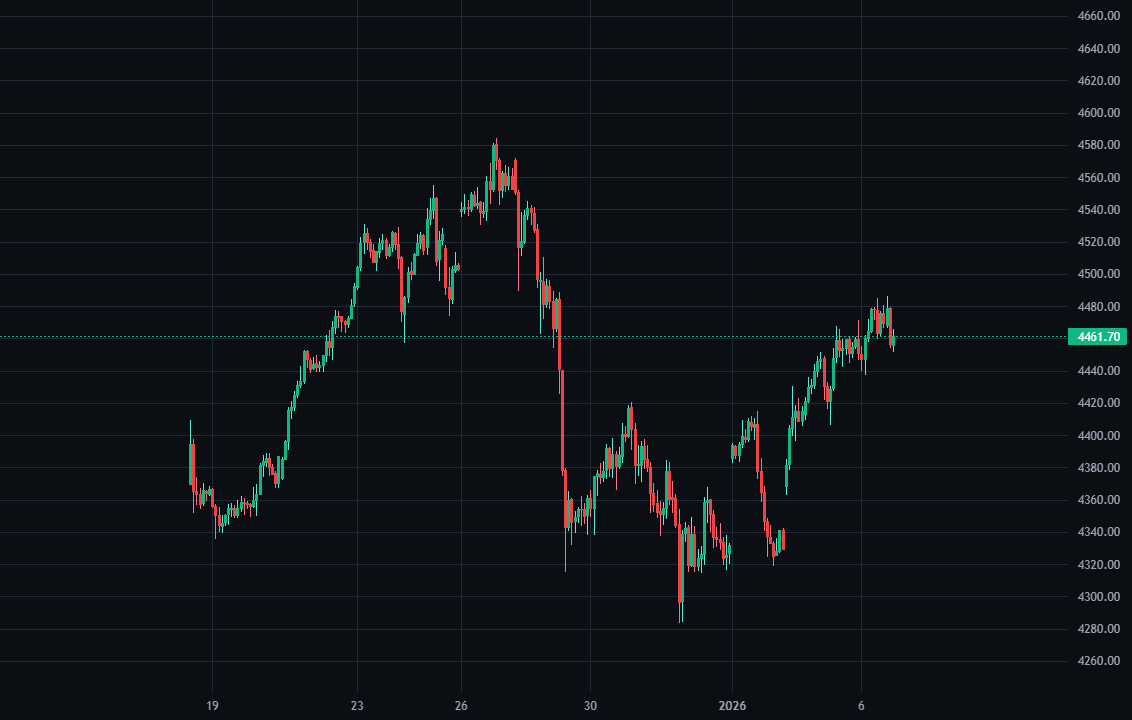
Structure first, ATR second
ATR should not replace chart structure. It should help you judge whether the stop has realistic breathing room.
When ATR helps the most
ATR becomes especially useful when the market moves in uneven bursts:
- gold after macro data
- crypto during session overlap
- trend continuation setups after strong displacement
- breakouts where the first pullback is still volatile
In these conditions, a stop that looks fine on the screenshot can still be too tight in practice. Replay reveals that quickly because the chart has no incentive to be “nice” to your idea after you click the answer.
How to use it in practice
Practice workflow
ATR stop workflow
- Mark the structure level that invalidates the trade idea.
- Check whether the stop sits unrealistically close relative to recent volatility.
- Adjust the stop only if structure still makes sense after the wider distance.
- Recalculate the size with the Position Size Calculator before taking the replay.
A simple way to combine structure and ATR
One useful workflow is:
- mark the structural invalidation
- check the current ATR range
- ask whether the stop sits inside normal noise
- if the stop needs to go wider, reduce size instead of forcing the same risk
That last step matters most. ATR stop placement without size adjustment is incomplete risk management.
Review checklist
ATR stop checklist
- Do not widen the stop just to keep a bad trade alive.
- Do not use ATR as a substitute for real invalidation levels.
- Recalculate size after any stop adjustment.
- Review whether the market hit the stop because the read failed or because the stop was too tight.
Common ATR mistakes
The biggest mistakes are:
- using ATR alone without any structural read
- widening the stop but keeping the same size
- ignoring how much volatility changed after the setup formed
- treating ATR as an entry trigger instead of a risk tool
If a trader says “I use ATR stops” but cannot explain where the setup is invalid, ATR is not helping. It is just adding a number.
Where it fits in SkillCandle
Use ATR thinking alongside:
That keeps the indicator in a supporting role instead of making it the entire method.
Bottom line
ATR helps replay traders place stops that respect how the market actually moves.
It becomes most useful when it is paired with structure, sizing, and honest review after the replay.
If you want to make the idea practical, use ATR to ask one honest question before the replay starts:
Was the stop bad because the chart read failed, or because the stop never respected volatility in the first place?
Next step
Replay price action setups inside SkillCandle
Move from reading about the setup to actually practicing it with a partial chart, replay reveal, and tracked review notes.
FAQ
Questions traders ask about this topic
Why use ATR in replay practice?
ATR gives a volatility reference that helps traders avoid stops that are too tight for the market they are training.
Should ATR replace structure?
No. ATR is a context tool. Structure still decides where the setup is invalid; ATR helps judge whether the stop has enough breathing room.
What ATR setting do traders usually use for stop placement?
Many traders start with 14-period ATR as a reference, but the more important question is whether the stop still makes sense relative to structure after volatility is considered.
Related Reads
Keep building the cluster
Position Size Calculator for Traders [Free Tool]
Size forex, crypto, gold and index ideas before replay or live execution, with what to enter and how fixed risk should actually work.
XAUUSD Replay Practice Guide
Slow gold into clean decision windows, review the rejection or continuation logic, and repeat the setup family until the read is obvious.
How to Practice Price Action Trading
A crypto-first framework for practicing price action trading with replay, setup clustering, and review loops instead of random screen time.
Market Replay Checklist Before Live Trading [Session Checklist]
Use this session checklist before live trading to confirm the setup read, invalidation logic, and review process are stable enough for real risk.