How to Practice Price Action Trading
A crypto-first framework for practicing price action trading with replay, setup clustering, and review loops instead of random screen time.
Key Takeaways
- Price action practice gets stronger when you train setup families, not random candles.
- Replay is better than passive chart study because it forces a committed read before the reveal.
- Crypto traders improve faster when they keep a narrow practice scope first, then widen variety later.
- Review notes matter because most bad reads come from the same repeated invalidation mistakes.
If you want to know how to practice price action trading, start by dropping the idea that more screen time automatically means more skill. Strong price action practice is structured, not random. Plenty of traders stare at candles for months and still misread the same structures because their practice loop is loose.
Price action improves when practice is built around:
- a defined setup family
- a forced decision before the answer
- a clean reveal
- a review note about what was missed
That is why replay-based practice works better than endless chart watching.
Visual model
The price action practice system
Price action becomes trainable when the chart session is structured like a learning loop instead of a scrolling habit.
Scope
Choose one setup family first
Narrowing the chart question is what makes repeated mistakes visible across sessions.
Commit
Read the chart before the answer exists
Replay matters because it keeps the market unresolved long enough for your actual interpretation to show.
Reveal
Let the chart prove or disprove the read
The replay should expose whether the confirmation, invalidation, and structure logic were actually clean.
Review
Tag the repeated miss
A practice block compounds only when the same weak read gets turned into a correction rule.
Practice setups, not general vibes
Many traders say they are practicing price action, but what they are really doing is scrolling through charts and reacting emotionally to whatever stands out. That creates familiarity, not structure.
A better model is to practice around a small cluster of repeatable setups:
- order block reactions
- liquidity sweeps
- breakout retests
- reversal structure after failed continuation
When the setup family is defined, your review becomes sharper because you can say what specifically broke instead of just saying the trade “felt wrong.”
Build the practice loop around replay
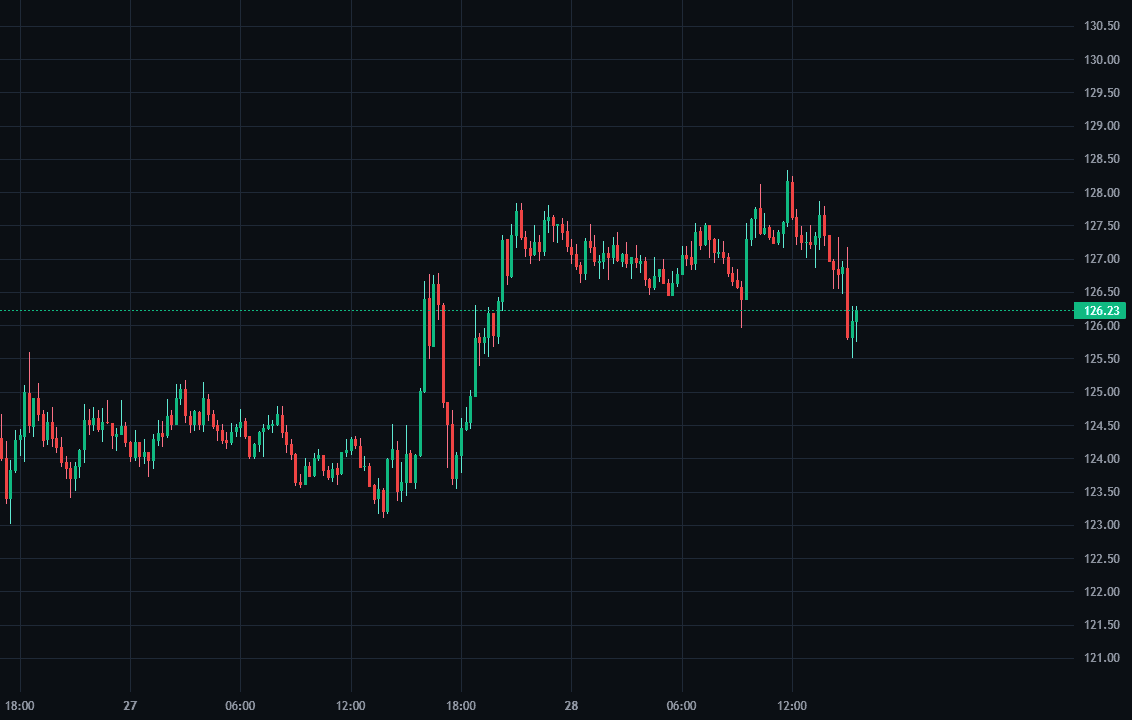
Price action is a live-reading skill. That means practice has to simulate the moment before the market resolves. Replay is useful because it lets you freeze the chart at the decision point and make a hard call before the next candles print.
Practice workflow
Replay-based price action session
- Open a chart window with enough context to read structure but no future candles shown.
- Name the setup family you think is forming and choose the directional bias.
- Watch the reveal candle by candle instead of skipping to the final answer.
- Tag the reason if the read fails: late entry logic, weak invalidation, sweep misread, or context mistake.
That workflow is what turns pattern recognition into a skill instead of a vague feeling.
What to review after each block
After a replay block, ask:
- Was the setup actually there, or did I force it?
- Did I confuse range noise for confirmation?
- Was the invalidation clean, or was I just hoping?
- Was the higher-timeframe context against the trade?
Review checklist
Price action review checklist
- Write the setup family before you reveal the answer.
- Note the exact confirmation candle or trigger you trusted.
- Mark the invalidation level that should have kept you out or got you out.
- Group wrong answers by setup so the weakest pattern becomes obvious.
A simple weekly structure for price action practice
A lot of traders know the setup names but still do not have a rhythm. The easiest fix is to stop switching goals every day.
Use a simple weekly structure:
Day 1-2: one setup family onlyDay 3: same setup family across a second symbolDay 4: review wrong answers and tag the repeat errorDay 5: ranked or mixed replay block to test whether the read is holding up under variety
That rhythm gives you both focused repetition and enough variation to avoid memorizing one exact chart pattern.
What traders usually misread in crypto price action
Crypto replay is useful because it exposes the same weak habits quickly:
- calling continuation before the reclaim is clean
- treating every sweep as immediate reversal confirmation
- forcing order blocks inside random chop
- confusing one strong candle with actual structure shift
If those mistakes keep showing up, your next move is not more strategy content. It is a narrower replay block plus a cleaner review note. That is where Order Block Trading Strategy Practice and Liquidity Sweep Trading Example become useful as support pages rather than theory pages.
The first three support guides to use with this pillar
For the first price action cluster, pair this page with:
- Order Block Trading Strategy Practice
- Liquidity Sweep Trading Example
- Breakout Retest Trading Setup Guide
Those pages break the cluster into narrower pattern families so you can practice with more intent.
If you want the non-live beginner angle first, pair this page with How to Practice Price Action Without Live Money.
Bottom line
The best way to practice price action trading is to stop treating practice like entertainment. Use replay, commit to one setup family at a time, and write down the specific reason a read failed. That is what turns crypto chart experience into repeatable judgment.
Next step
Replay price action setups inside SkillCandle
Move from reading about the setup to actually practicing it with a partial chart, replay reveal, and tracked review notes.
FAQ
Questions traders ask about this topic
What is the best way to practice price action trading?
The best approach is replay-based repetition with a small set of setup families, immediate feedback, and a journal process that tracks what you misread.
Should I practice all setups at once?
No. Traders usually improve faster when they narrow practice to one or two setup families first instead of trying to learn everything at the same time.
Why is price action practice harder on crypto?
Crypto can move quickly and print noisy intraday sequences, so replay structure and disciplined review matter even more.
Related Reads
Keep building the cluster
Order Block Trading Strategy Practice
A practice-first guide to order block trading, covering what to review in replay and how to tighten invalidation around displacement and retests.
Liquidity Sweep Candle Example
Learn how to read a liquidity sweep candle with replay-based review points so you stop mistaking every wick for a real sweep reversal.
Breakout Retest Trading Setup Guide
Practise breakout retests in replay and learn whether a retest is constructive or already losing acceptance, with fewer false-breakout mistakes.