Liquidity Sweep Candle Example
Learn how to read a liquidity sweep candle with replay-based review points so you stop mistaking every wick for a real sweep reversal.
Key Takeaways
- A real sweep is more than a wick; it needs reclaim and follow-through.
- Replay is helpful because sweeps are easy to over-label after the move completes.
- Most weak sweep reads come from confusing range noise with actual invalidation.
- Review the reclaim candle, not just the sweep itself.
The easiest way to misuse a liquidity sweep candle is to stare at a finished chart and label every sharp wick as a sweep reversal. In live practice, the real question is harder: did the market actually reclaim the level and prove the sweep mattered?
That distinction matters because sweeps and failed breakouts often look similar at first. The difference is not the wick. The difference is what the market does immediately after the level is taken.
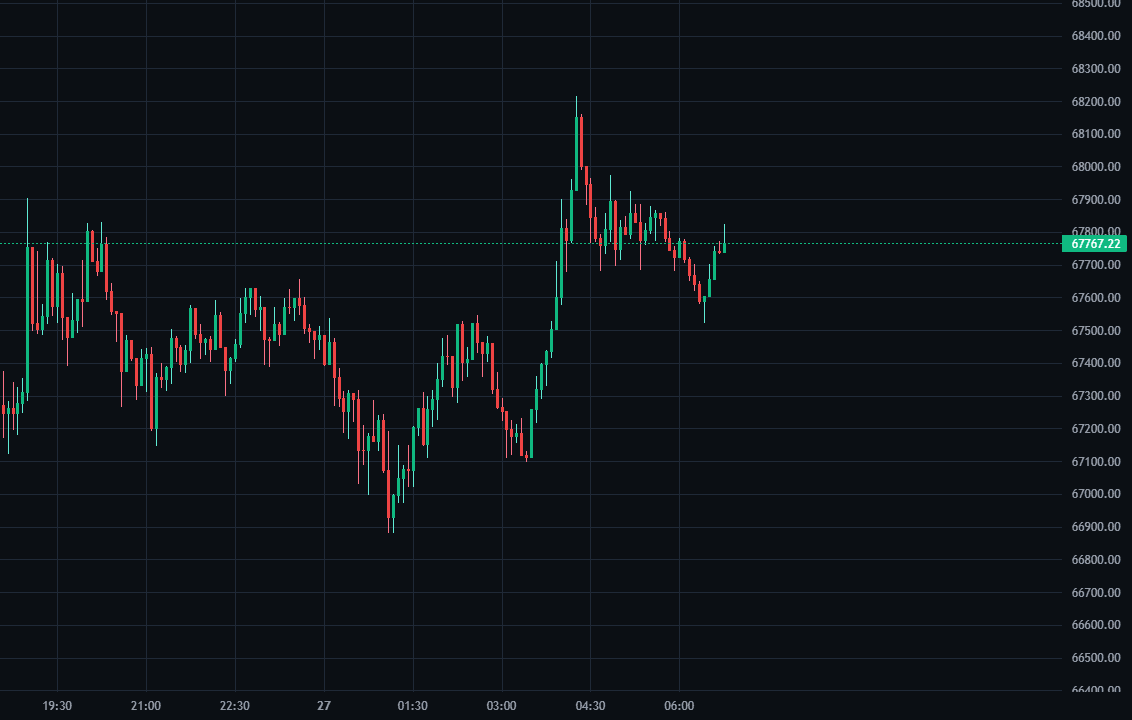
What separates a true liquidity sweep candle from noise
A better liquidity sweep checklist is:
- clear level being attacked
- visible rejection or reclaim
- enough follow-through to show intent
- context that supports reversal or continuation after the sweep
Without those pieces, traders often end up fading ordinary volatility.
What a real liquidity sweep usually includes
A stronger liquidity sweep trading setup usually shows:
- a level that traders obviously care about
- a sweep through that level
- fast reclaim or rejection
- follow-through that changes the read
If the level is messy, the reclaim is weak, or the reaction stalls instantly, the sweep may be mostly noise.
How to practice sweep examples correctly
If you are already working through How to Practice Price Action Trading, add liquidity sweeps as a narrow sub-cluster rather than mixing them into every block.
Practice workflow
Liquidity sweep practice loop
- Mark the obvious high or low that looks sweepable before the reveal.
- Watch whether price only tags the level or actually reclaims it with intent.
- Write what the reclaim candle changed in your read.
- Tag the miss if you faded a wick with no real confirmation.
The difference between a sweep and a failed breakout
This is one of the most useful distinctions to train:
- a failed breakout is about lack of acceptance beyond the level
- a liquidity sweep is about stop-taking plus reclaim
Sometimes the same move contains both ideas, but your journal should still decide which one actually explains the trade. That is why this page works well alongside How to Read Breakout Failure in Replay.
Review checklist
Sweep review questions
- Was there an obvious pool of stops or was the level messy?
- Did the reclaim happen fast enough to change the structure read?
- Was there displacement after the reclaim or only sideways noise?
- Would the trade still make sense if the wick were hidden and only the reclaim were shown?
Common sweep mistakes
The most common mistakes are:
- treating every long wick as a trap
- fading levels with no obvious liquidity pool
- ignoring whether the reclaim actually held
- forcing reversal logic in a strong active trend
Most of those errors show up immediately in replay because the chart either holds the reclaim or makes you admit the sweep never really changed the context.
Bottom line
The best liquidity sweep example is not the flashiest wick. It is the one that shows a clear level being taken, reclaimed, and validated with follow-through. Replay makes that judgment much easier to train honestly.
Next step
Replay price action setups inside SkillCandle
Move from reading about the setup to actually practicing it with a partial chart, replay reveal, and tracked review notes.
FAQ
Questions traders ask about this topic
What confirms a liquidity sweep?
A sweep becomes more trustworthy when the level is taken, reclaimed with intent, and followed by enough displacement to prove the rejection mattered.
Is every long wick a liquidity sweep?
No. Many long wicks are just volatility inside a range and do not create the reclaim or follow-through needed for a strong sweep setup.
Why use replay for sweep practice?
Replay lets you judge whether the reclaim and follow-through were believable before hindsight made the move obvious.
What invalidates a sweep idea?
If price takes the level but cannot reclaim it with intent, or reclaims weakly and immediately collapses again, the sweep idea is much weaker.
Related Reads
Keep building the cluster
How to Practice Price Action Trading
A crypto-first framework for practicing price action trading with replay, setup clustering, and review loops instead of random screen time.
Order Block Trading Strategy Practice
A practice-first guide to order block trading, covering what to review in replay and how to tighten invalidation around displacement and retests.
Breakout Retest Trading Setup Guide
Practise breakout retests in replay and learn whether a retest is constructive or already losing acceptance, with fewer false-breakout mistakes.
How to Read Breakout Failure in Replay
Read breakout failure in replay without hindsight, what to check before fading the move, and how acceptance and reclaim shape the read.