Breakout Retest Trading Setup Guide
Practise breakout retests in replay and learn whether a retest is constructive or already losing acceptance, with fewer false-breakout mistakes.
Key Takeaways
- Breakout retest setups are continuation reads, so structure and renewed momentum matter.
- Replay reveals whether the retest was controlled or whether the breakout was already failing.
- Chasing the initial break is one of the biggest review mistakes.
- Practice breakout retests separately from reversal setups when building the first cluster.
A breakout retest trading setup looks simple on paper: price breaks a level, comes back, then continues. In practice, the retest is where the real quality check happens.
The breakout candle gets traders interested. The retest tells you whether the market still agrees.
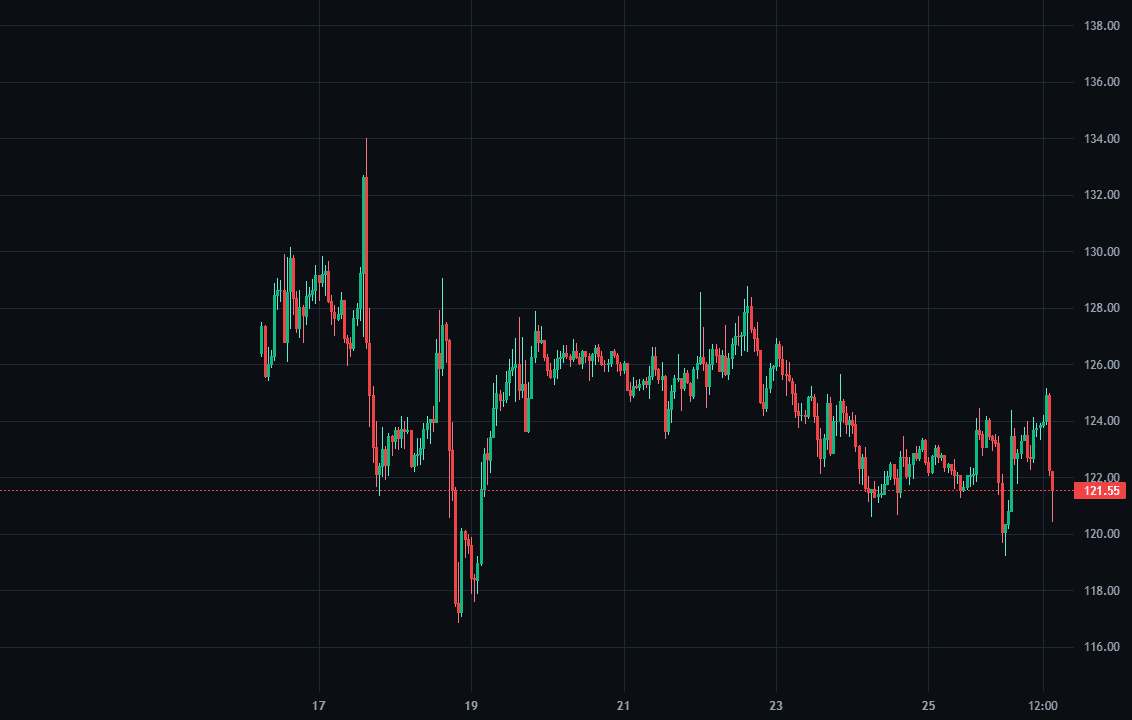
The real question in a retest
The breakout candle gets all the attention, but the retest does the real work. A strong retest shows:
- clear separation from the old range
- a pullback that respects the broken level
- renewed momentum after the touch
If the retest drifts too deep or loses momentum instantly, the setup quality drops fast.
What a strong retest usually includes
A cleaner breakout retest setup often has:
- clear separation from the old range
- orderly pullback instead of collapse
- evidence that the broken level is acting differently now
- enough room to justify the trade after the stop is defined
That last point matters because a technically decent retest can still be poor if the continuation is too crowded to offer a clean payoff.
Build the continuation workflow
Use this setup as part of the broader How to Practice Price Action Trading cluster and keep the review focused on continuation logic.
Practice workflow
Breakout retest workflow
- Mark the range or level that matters before the breakout happens.
- Watch whether the break actually clears structure or only pokes above it.
- On the retest, judge whether the level is being accepted or slipping back into range.
- Review whether your mistake came from chasing the break or trusting a weak retest.
Breakout retest versus failed breakout
This is one of the most useful comparisons you can train:
- a retest keeps acceptance beyond the level
- a failure loses acceptance and rotates back inside
That is why replay is so useful here. You can freeze the chart at the exact moment where both outcomes still look possible.
Review checklist
Retest quality checklist
- The breakout should visibly clear the range, not barely peek above it.
- The retest should stay controlled instead of unraveling immediately.
- Look for renewed continuation, not just hope that the first breakout candle was enough.
- Tag failed reads separately from reversal mistakes so the review stays clean.
The most common retest mistakes
These show up repeatedly:
- buying the first breakout candle instead of judging the retest
- treating every touch of the level as support
- ignoring whether continuation actually resumes with intent
- forgetting to measure the trade after the stop is placed
If the replay note keeps saying “retest looked okay but continuation never came,” your filter is probably too loose.
Bottom line
The best breakout retest setups are not dramatic. They are orderly.
Replay practice helps because it slows the sequence down enough for you to judge whether the continuation is actually accepted.
Next step
Replay price action setups inside SkillCandle
Move from reading about the setup to actually practicing it with a partial chart, replay reveal, and tracked review notes.
FAQ
Questions traders ask about this topic
What confirms a breakout retest?
A good breakout retest usually shows a clear level break, a controlled pullback, and renewed continuation without immediate invalidation back into the old range.
Why do breakout retests fail?
They often fail when traders chase the first breakout candle, ignore higher-timeframe context, or accept retests that never show renewed momentum.
Should breakout retests be practiced separately?
Yes. They are easier to review when isolated from reversal setups so the continuation logic stays clear.
What makes a breakout retest weak?
A breakout retest gets weaker when the level is barely cleared, the pullback immediately loses structure, or continuation never returns with intent after the retest.
Related Reads
Keep building the cluster
How to Practice Price Action Trading
A crypto-first framework for practicing price action trading with replay, setup clustering, and review loops instead of random screen time.
Order Block Trading Strategy Practice
A practice-first guide to order block trading, covering what to review in replay and how to tighten invalidation around displacement and retests.
Liquidity Sweep Candle Example
Learn how to read a liquidity sweep candle with replay-based review points so you stop mistaking every wick for a real sweep reversal.
How to Read Breakout Failure in Replay
Read breakout failure in replay without hindsight, what to check before fading the move, and how acceptance and reclaim shape the read.