Order Block Trading Strategy Practice
A practice-first guide to order block trading, covering what to review in replay and how to tighten invalidation around displacement and retests.
Key Takeaways
- Order block practice gets sharper when you review displacement, reaction quality, and invalidation instead of only marking zones.
- Replay is useful because it shows whether the block actually led the move or was only obvious after the answer.
- Many bad order block reads come from forcing zones inside noise.
- This setup works best as part of a broader price action cluster, not as a magic box on the chart.
The hardest part of order block trading strategy practice is not drawing the box. It is knowing whether the zone actually matters before the answer reveals itself.
That is why replay is valuable here. Order blocks are easy to justify with hindsight and much harder to call in the live decision window.
This is also where a lot of popular price action content goes wrong. The chart is often shown after the move is complete, so the zone feels obvious. Real practice has to answer a harder question: did the zone deserve attention before the reaction proved it?
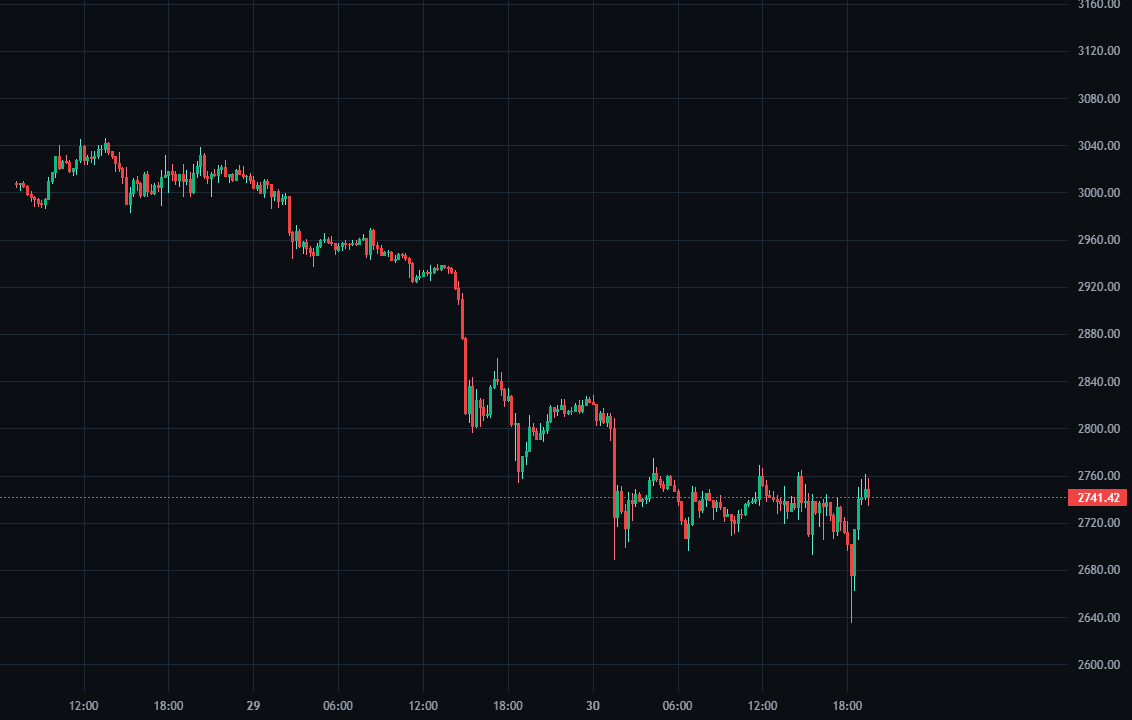
What to look for in an order block review
When you review an order block setup, ask:
- Did the block come before meaningful displacement?
- Was there structure context behind the zone?
- Was the reaction clean, or did price churn through it?
- Was the invalidation obvious before entry?
If those answers are weak, the zone probably looked better on replay than it did in the real decision window.
What an order block should show before you trust it
A cleaner order block trading setup usually has:
- displacement that actually changed the structure read
- a logical place in the sequence, not random chop in the middle of noise
- a retest that still respects the idea instead of instantly collapsing through it
- enough room for reward once the invalidation is defined
If the setup fails one of those checks, the label may still be technically interesting, but it is not automatically worth taking.
Practice the setup with a single review lens
Pair this guide with the main pillar, How to Practice Price Action Trading, and keep the practice loop focused:
Practice workflow
Order block replay workflow
- Choose one market and timeframe cluster for a short replay block.
- Mark only the order blocks that led displacement or came from a structure shift.
- Make the directional call before the reveal and write the invalidation you trust.
- After the answer, review whether the block itself mattered or whether context was doing the real work.
The three main order block mistakes
Most weak order block reads come from one of these:
-
Labeling pauses instead of displacement
Not every pause before a move deserves to become a zone. -
Ignoring structure location
A block inside dead overlap is much weaker than a block that formed near a meaningful shift. -
Forcing the retest
If price comes back with no clean reaction and no reclaim, the idea is probably weaker than the drawing suggests.
Review checklist
Order block review checklist
- Do not label every pause candle as a valid block.
- Review whether price respected the edge or traded through the zone immediately.
- Write whether the read failed because of context, invalidation, or weak displacement.
- Repeat ten focused rounds before adding another setup family back into the mix.
What a weak order block usually looks like in replay
Weak order block reads tend to share the same traits:
- the zone sits inside messy overlap
- there was no meaningful impulse before the block
- the retest happens without clean reclaim or displacement
- the trader likes the box more than the actual reaction
Replay is useful here because it removes the temptation to justify the zone after the move is already obvious.
Pair order blocks with risk filters
One mistake traders make is finding a decent block and then ignoring whether the trade still makes sense once the stop and target are measured.
That is why a better workflow is:
- mark the block
- define invalidation
- check Risk Reward Calculator
- recalculate with Position Size Calculator
- then let the replay answer whether the block was real or cosmetic
How to make the next order block session more useful
Use one narrow review rule:
- only keep zones that led a clear impulse
- skip anything that formed inside dead range chop
- write down whether the failure came from context or from the block itself
That single filter usually does more for order block quality than adding more drawings to the chart.
Bottom line
Order block strategy practice improves when you stop treating the box as the setup and start treating the reaction quality plus context as the setup. Replay is where that difference becomes obvious.
Next step
Replay price action setups inside SkillCandle
Move from reading about the setup to actually practicing it with a partial chart, replay reveal, and tracked review notes.
FAQ
Questions traders ask about this topic
What is the best way to practice order blocks?
Practice order blocks in replay with a small number of clean examples, mark the invalidation clearly, and review whether the block actually caused displacement or only looked interesting after the fact.
Why do traders misread order blocks so often?
Traders often label any candle cluster as an order block instead of checking for displacement, reaction quality, and structure context.
Should order blocks be traded alone?
They work better when combined with context, displacement, structure, and a clear invalidation rather than treated as a magic standalone zone.
What makes an order block weak?
A weak order block usually forms inside messy overlap, has no clear displacement, and gets labeled mainly because it looks good after the move is complete.
Related Reads
Keep building the cluster
How to Practice Price Action Trading
A crypto-first framework for practicing price action trading with replay, setup clustering, and review loops instead of random screen time.
Liquidity Sweep Candle Example
Learn how to read a liquidity sweep candle with replay-based review points so you stop mistaking every wick for a real sweep reversal.
Breakout Retest Trading Setup Guide
Practise breakout retests in replay and learn whether a retest is constructive or already losing acceptance, with fewer false-breakout mistakes.
Position Size Calculator for Traders [Free Tool]
Size forex, crypto, gold and index ideas before replay or live execution, with what to enter and how fixed risk should actually work.