Position Size Calculator for Traders [Free Tool]
Size forex, crypto, gold and index ideas before replay or live execution, with what to enter and how fixed risk should actually work.
Key Takeaways
- Position sizing turns a setup idea into bounded damage if the read is wrong.
- Fixed risk should be part of replay practice, not something added only in live trading.
- Position size gets cleaner when it is paired with a clear stop and a realistic target.
- The best time to build discipline is before money is on the line.
A position size calculator for traders is most useful when it removes guesswork before the trade or replay starts. If you are searching for a trading position size calculator or lot size calculator, the goal is simple: define the risk first, then let the size come from the stop.
If the chart is clean but the risk is undefined, the process is still weak. Use the Position Size Calculator before the replay or live idea so the setup and the risk plan stay tied together.
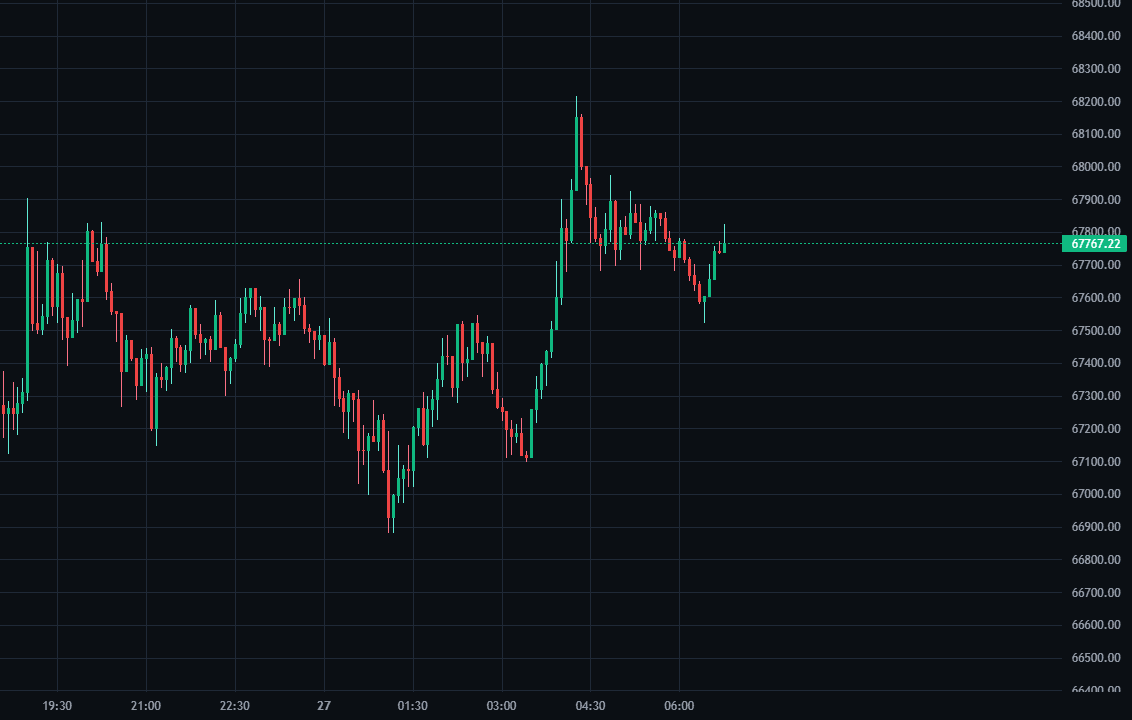
Start with the stop, not the size
A good position size starts with a clear invalidation point. If the stop is vague, the size will be fake precision.
Visual model
The sizing order that keeps risk clean
Keep the sequence simple: risk first, stop second, size last.
Step 1
Set the risk amount
Start with account balance and risk percent so the maximum loss is defined before the trade.
Step 2
Measure the real stop
Use the actual stop distance the chart requires instead of the size you hope to trade.
Step 3
Let the tool return the size
Once risk and stop are clear, the calculator converts them into a lot size or unit size.
Why better calculators ask for stop distance, not hope
One of the clearest patterns across the stronger calculator pages in search is that they standardize the stop input first. Forex tools usually ask for pips. Metals, indices, and crypto tools usually ask for distance or points.
That is not cosmetic. It prevents the most common position-size mistake: forcing a raw price gap into the calculator without thinking about what that distance actually means for the market.
Quick reference
Quick sizing reference
These example numbers use a $10,000 account and 1% fixed risk to show why the stop is what drives the final size.
EUR/USD
0.20 lots
A 50-pip stop on a $10k USD account with 1% risk gives roughly 0.20 lots.
XAU/USD
0.10 lots
A $10 stop on gold with the standard contract assumption produces about 0.10 lots.
Risk rule
$100 max
The idea is not to find the biggest size. It is to cap the damage before the setup starts.
Use the right input for each market
The instrument changes. The fixed-risk logic does not.
| Market | What to enter | Why it matters |
|---|---|---|
| Forex | Account size, risk percent, current price when needed, and stop-loss in pips | Pip-based sizing keeps the lot calculation realistic |
| Gold and indices | Account size, risk percent, instrument preset, and stop distance | Contract value can change by market, so the preset matters |
| Crypto | Account size, risk percent, instrument, and stop distance | The tool turns fixed dollar risk into unit size instead of guesswork |
That is exactly what the Position Size Calculator is for.
Practice workflow
Simple fixed-risk routine
- Mark the setup and define the stop before you think about profit.
- Use the calculator to convert that stop into a position size.
- Check whether the size still feels emotionally comfortable.
- Only then move the setup into replay or execution review.
Review checklist
Position-size checklist
- Do not size first and force the stop to fit it.
- If the stop is too wide for the account, skip or reduce the idea.
- Keep the risk percentage stable enough that replay notes stay comparable.
- Review whether the stop placement itself was valid after the replay.
Tie sizing to replay instead of separating them
This article supports the same loop described in Trading Journal Workflow for Setup Review: chart first, decision second, review third.
If you want the fastest practice path:
- use the Position Size Calculator
- open a market page like BTC/USDT replay practice
- run the replay
- write one note on whether the stop and size still made sense after the reveal
Bottom line
Position sizing is not separate from chart reading. It is part of decision quality.
If you are improving through replay, make sizing part of the practice loop now, not later.
Next step
Use the journal after your replay block
Log wrong calls, tag the setup, and build a repeatable review loop instead of ending practice after the replay.
FAQ
Questions traders ask about this topic
Why use a position size calculator before replay practice?
It trains the same fixed-risk habit you want later in live execution. The chart read and the risk plan should be built together.
Does position size matter if I am only replaying?
Yes. Replay is where you build the process. If you skip sizing in practice, you are teaching yourself to skip it later too.
Should I enter stop-loss in pips or raw price difference?
For forex pairs, use stop-loss in pips. For metals, indices, and crypto, use the distance format shown by the selected instrument preset in the calculator.
Related Reads
Keep building the cluster
Lot Size Calculator for Trading Risk
Learn how to use a lot size calculator for forex, gold, crypto, and index trades without forcing risk. Includes a replay-first sizing workflow.
Risk Reward Ratio Calculator for Trading Setups
Use a risk reward ratio calculator to check R multiple, potential payoff, and break-even win rate before trusting a trading setup.
Drawdown Recovery Calculator for Traders [Free Tool]
Compare starting and current balance, see your drawdown, and find the percentage gain needed to recover without revenge trading.
Break-Even Win Rate Calculator for Risk Reward [Free Tool]
See how reward-to-risk changes the win rate your setup needs just to break even, with worked examples for 1R, 2R and 3R ideas.
Trading Journal Workflow for Setup Review
A practical trading journal workflow for replay-based traders who want cleaner setup review, better mistake tagging, and stronger follow-through after wrong answers.
Best Trading Simulator for Market Replay [Updated 2026]
What to compare when choosing a market replay simulator, and why replay quality matters more than feature lists for real chart practice.