Trading Journal Workflow for Setup Review
A practical trading journal workflow for replay-based traders who want cleaner setup review, better mistake tagging, and stronger follow-through after wrong answers.
Key Takeaways
- A journal only helps when the notes tie directly to the setup and the actual decision error.
- Replay sessions create cleaner journal entries because the chart window and reveal are easy to compare.
- The best journal workflow ends with the next corrective practice block, not just a stored screenshot.
- Setup tags turn a pile of trades into a clear map of weak patterns and missed confirmations.
A trading journal workflow for setup review should do more than archive charts. If the journal does not tell you why the read failed and what to practice next, it becomes a scrapbook instead of a training tool.
That is why SkillCandle treats the journal as the review half of the replay loop. You make the read, watch the reveal, then capture the setup, the mistake, and the next action while the chart is still fresh in your head.
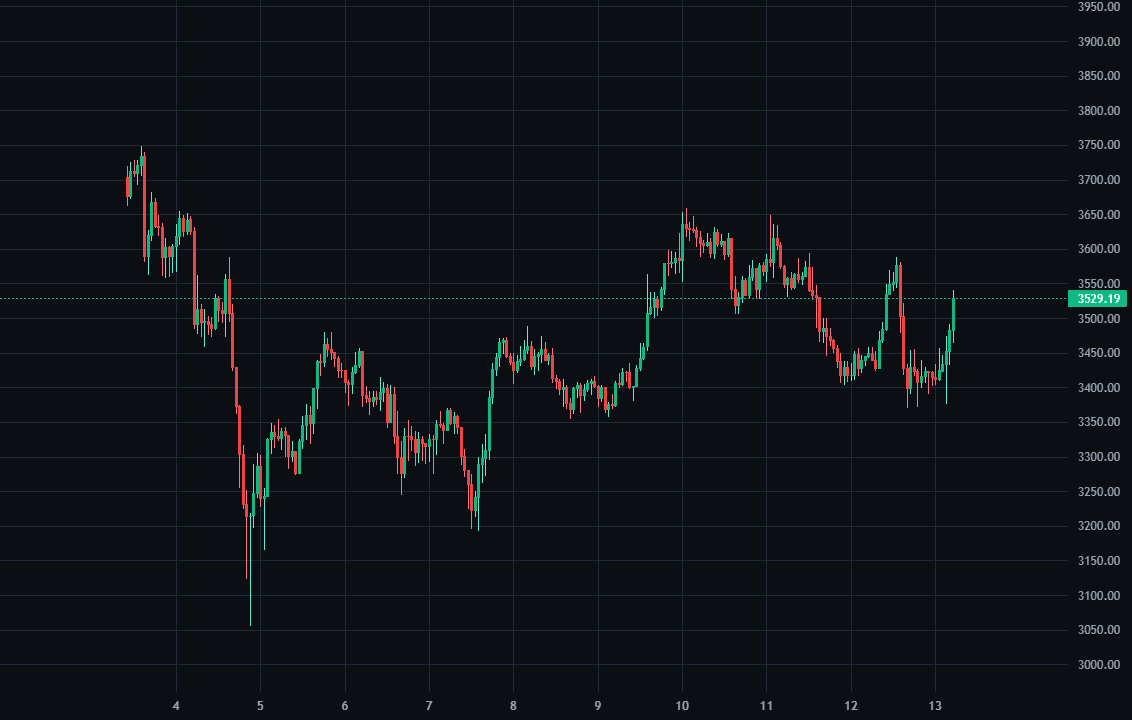
What a good trading journal entry must contain
At minimum, each review entry should capture:
- the setup family
- your directional call
- the actual market outcome
- the reason the read failed or worked
- the next correction you want to test
That structure keeps the journal actionable. It also helps you avoid generic notes like should have been patient that sound true but do not change future behavior.
A simple setup review workflow
The easiest journal process to maintain is short and repeatable.
Practice workflow
SkillCandle journal loop
- Finish the replay and confirm whether the original read was right or wrong.
- Save the chart snapshot or replay state while the setup is still visible.
- Tag the setup family and the specific review reason, not just the final outcome.
- Write one practical next step for the next session, such as repeating the same setup family for ten focused rounds.
That final step matters because a journal is only useful when it changes the next practice block.
What to avoid in journal reviews
Avoid these common traps:
- writing long emotional notes with no setup label
- storing screenshots without marking the decision point
- mixing execution mistakes and pattern-recognition mistakes into the same vague sentence
- reviewing only at the end of the week when the chart memory is gone
Review checklist
Journal quality checklist
- Name the setup family before describing the mistake.
- State the precise missed clue: no displacement, weak reclaim, sweep without follow-through, or poor context.
- Keep the correction specific enough to test in the next replay block.
- Review entries by setup cluster so the weakest pattern becomes obvious.
Turn every journal entry into the next session rule
The journal should not end with the note. It should end with a rule for the next block.
That rule might be:
No continuation call without reclaim confirmationSkip sweeps that happen in the middle of range noiseOnly mark order blocks after clear displacementReview 10 BTC replay rounds before switching symbol
This is the difference between recording a mistake and correcting it. If you want a deeper guide on that exact step, pair this page with How to Review Wrong Trades in a Trading Journal.
What a weekly review should actually surface
At the end of the week, your journal should make these three things obvious:
- Which setup family is draining the most accuracy
- Which mistake label keeps repeating inside that setup
- What the next narrow practice block should be
If your weekly review cannot answer those questions, the journal is probably too vague, too emotional, or too screenshot-heavy.
Support pages in this review cluster
If you want to tighten this workflow, pair it with:
- How to Review Wrong Trades in a Trading Journal
- How to Train Candlestick Decision Making
- Price Action Drills for New Traders
Those guides make the journal more actionable by improving the quality of the replay input that feeds it.
Bottom line
A trading journal workflow only becomes valuable when it closes the loop between the chart, the error, and the next block of practice. The best journal is not the most detailed one. It is the one that makes tomorrow's decisions cleaner than today's.
Next step
Use the journal after your replay block
Log wrong calls, tag the setup, and build a repeatable review loop instead of ending practice after the replay.
FAQ
Questions traders ask about this topic
What should a trading journal actually track?
A useful journal should track setup type, directional call, why the read failed or worked, and what you will change in the next replay block.
Is a screenshot enough for a trading journal?
No. Screenshots help, but improvement comes from tagging the setup and writing the specific decision error behind the outcome.
How often should I review journal entries?
A short review after every replay session works best because the mistake pattern is still fresh and easier to correct.
Related Reads
Keep building the cluster
How to Review Wrong Trades in a Trading Journal
Review wrong trades so your journal finds the real pattern behind repeated misses instead of storing screenshots with no correction loop.
How to Train Candlestick Decision Making
A replay-based guide to training candlestick decision making without falling into pattern memorization, hindsight, or random chart scrolling.
Price Action Drills for New Traders
Simple replay-based price action drills for new traders, using one setup, one market, and a review loop you can repeat every session.