Price Action Drills for New Traders
Simple replay-based price action drills for new traders, using one setup, one market, and a review loop you can repeat every session.
Key Takeaways
- Beginner drills work better when they are simple and repeatable.
- Replay is useful because it removes hindsight from the drill.
- Review notes make drills compound over time instead of feeling random.
- New traders do not need more setups; they need clearer repetition.
The best price action drills for new traders are not complicated. They are simple enough to repeat and tight enough to review honestly.
The biggest mistake beginners make is trying to practice everything at once. A better drill isolates one market, one setup family, and one decision. That is the pattern shared again and again across widely watched trading education content: fewer moving parts, more repetition, and more review.
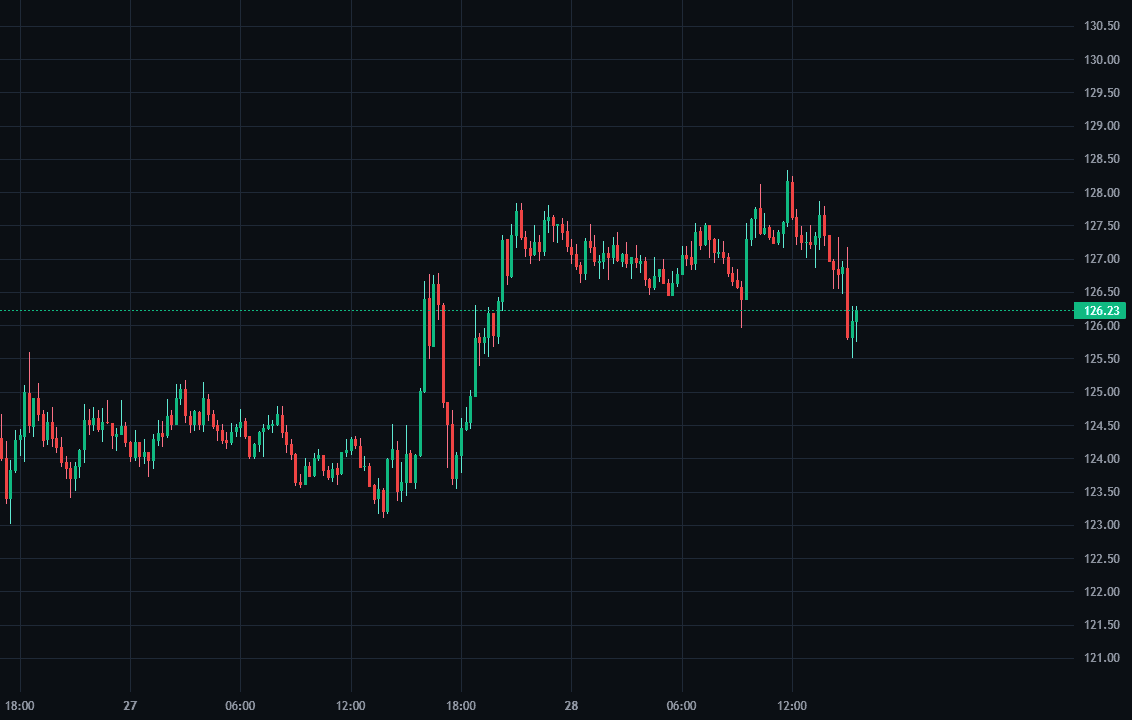
Start with one decision, not ten
New traders often overload themselves with indicators, setups, and live-market noise. A drill should cut that complexity down.
The first price action skill to train
The first skill is not “predict everything.” It is read the chart context before you click anything.
For a beginner, that usually means asking:
- is price trending or ranging?
- did the last move show real displacement or just noise?
- is the pullback controlled or messy?
- is this a continuation idea or a reversal idea?
That is why chart replay is so useful for beginners. You can freeze the chart before the answer, force a directional read, and then review whether you were actually reading context or just reacting to the last candle.
A 30-minute beginner drill block
If you want a practical routine, this is one of the cleanest ways to run price action drills for beginners without getting lost:
Practice workflow
30-minute beginner drill block
- Pick one market only for the block, such as BTCUSDT or EURUSD.
- Pick one setup family only, such as continuation or failed breakout.
- Run 5 to 10 replay questions and answer before the reveal.
- Tag each miss as a structure error, patience error, or risk/reward error.
- Write one correction rule before the next block starts.
This is much stronger than randomly watching charts for thirty minutes because it creates a feedback loop. The drill ends with a lesson, not just a guess.
Drill structure that actually compounds
Pair this with Trading Journal Workflow for Setup Review so the drill produces feedback instead of just a score.
Practice workflow
Beginner replay drill
- Pick one setup family or one directional question for the session.
- Answer the replay prompt before the future candles print.
- Watch the reveal and tag why the answer was right or wrong.
- Carry one correction into the next drill block.
One market beats random switching
A lot of beginners think more chart variety means faster progress. Usually it does the opposite.
If the goal is chart reading drills for beginners, staying with one market for a while makes it easier to recognize:
- how trend continuation usually looks before expansion
- what a weak bounce looks like in a downtrend
- where false breakouts often fail
- how volatility changes after news or session opens
This is why one of the simplest and best beginner routines is:
- choose one market
- run one setup drill
- review the same three questions after every reveal
You can always expand later. In the beginning, consistency matters more than variety.
Review checklist
Beginner drill checklist
- Keep the setup family narrow.
- Use the same review questions every time.
- Write one short mistake note after the reveal.
- Do not add a second drill until the first one is consistent.
Common mistakes in beginner drills
The most common mistakes are not subtle:
- changing markets too often
- changing setups too often
- treating every missed move as a need for more theory
- never reviewing the same mistake twice
- focusing on whether the answer was right instead of why it was right
If your drill routine keeps producing random notes, the drill is too wide. Tighten the market, tighten the setup, and tighten the review question.
A better way to score progress
For new traders, progress should look like:
- fewer impulsive answers
- cleaner setup classification
- faster identification of trend versus range
- more consistent journal notes after the reveal
That kind of improvement compounds much faster than chasing a fake win rate in the early stage.
Bottom line
Price action drills work for new traders when the drill is small, repeatable, and tied to review.
The goal is not to finish more drills. The goal is to make better decisions in the next one.
If you want a clean next step, pair this routine with:
Next step
Use the journal after your replay block
Log wrong calls, tag the setup, and build a repeatable review loop instead of ending practice after the replay.
FAQ
Questions traders ask about this topic
What is the best first drill for new traders?
A good first drill is to classify a small set of setups in replay and commit to a directional read before the reveal instead of trying to trade everything.
How many drills should a beginner run?
Keep it simple. One or two structured drills are usually enough at the start if they are reviewed properly.
Should beginners journal drills too?
Yes. Even short drill sessions should end with a note about the setup and the repeated mistake pattern.
Which market should a beginner use for price action drills?
One market is usually better than five. A beginner often learns faster by staying with one instrument long enough to recognize repeated behaviors.
Related Reads
Keep building the cluster
Trading Journal Workflow for Setup Review
A practical trading journal workflow for replay-based traders who want cleaner setup review, better mistake tagging, and stronger follow-through after wrong answers.
How to Review Wrong Trades in a Trading Journal
Review wrong trades so your journal finds the real pattern behind repeated misses instead of storing screenshots with no correction loop.
How to Practice Price Action Trading
A crypto-first framework for practicing price action trading with replay, setup clustering, and review loops instead of random screen time.
Market Replay Checklist Before Live Trading [Session Checklist]
Use this session checklist before live trading to confirm the setup read, invalidation logic, and review process are stable enough for real risk.