How to Review Wrong Trades in a Trading Journal
Review wrong trades so your journal finds the real pattern behind repeated misses instead of storing screenshots with no correction loop.
Key Takeaways
- Wrong-trade review should identify the setup, the decision error, and the next corrective action.
- Vague emotional notes slow improvement because they are hard to test in future sessions.
- Setup tags make repeated mistakes visible across multiple journal entries.
- Replay review works best when done immediately after the session while the chart context is still fresh.
Knowing how to review wrong trades in a trading journal matters because most traders do the easy part first: they save the chart. The hard part is identifying the real error in a way that can improve the next replay session.
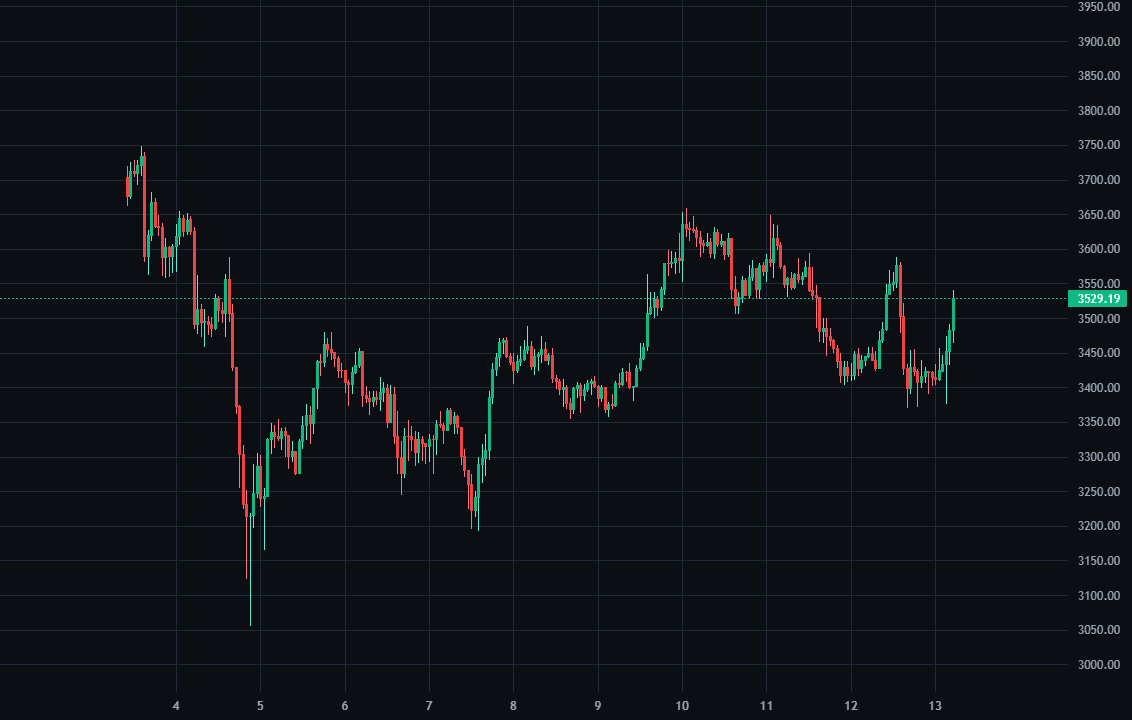
Start with the setup, not the emotion
A bad journal note says, “I rushed.” A useful journal note says, “I treated a weak reclaim after the sweep as confirmation inside a range.”
That difference matters because only the second note can be tested later.
If you are following the main Trading Journal Workflow for Setup Review, keep each wrong-trade entry structured around:
- setup family
- your directional bias
- actual outcome
- what invalidated the read
- what to repeat or avoid next session
Review the exact decision point
Wrong-trade reviews become much cleaner when the chart is frozen near the original decision point. That is why replay-based journal workflows are so effective: you can compare the pre-answer read with the actual reveal.
Practice workflow
Wrong-trade journal workflow
- Save the chart or replay state close to the moment you made the call.
- Write the setup family before writing any opinion about the trade.
- Name the exact reason the read failed.
- Turn the note into a concrete next-session rule.
Review checklist
What every wrong-trade note should answer
- What setup did I believe I was trading?
- What candle or structure clue did I trust too early?
- What invalidation or confirmation did I ignore?
- What one correction should I test in the next replay block?
Group wrong trades before you try to fix them
A common journal mistake is trying to fix every wrong trade individually. That usually creates ten separate lessons and no pattern.
Instead, group wrong trades by:
- setup family
- confirmation mistake
- invalidation mistake
- market context mismatch
Once entries are grouped, the real issue usually becomes obvious. You are not bad at everything. You are repeating one or two mistakes inside a smaller cluster.
A better correction loop after a bad session
After a rough replay block or ranked session, do this:
Practice workflow
Post-loss review loop
- Pick the 3 most instructive wrong trades, not every single miss.
- Find the repeated mistake label across those entries.
- Turn that label into one next-session rule.
- Run a short replay block focused only on that correction.
Bottom line
Reviewing wrong trades is not about punishing yourself. It is about turning mistakes into a repeatable correction loop. If the journal entry does not change the next session, it is not finished yet.
Next step
Use the journal after your replay block
Log wrong calls, tag the setup, and build a repeatable review loop instead of ending practice after the replay.
FAQ
Questions traders ask about this topic
How detailed should wrong trade reviews be?
Detailed enough to identify the setup, the exact mistake, and the next correction, but not so long that the review becomes inconsistent and impossible to maintain.
What is the biggest mistake in journal reviews?
Vague notes. If the review does not name the setup and the actual decision error, it rarely improves future performance.
Should I review every trade?
Review the most instructive mistakes first, especially repeated errors inside the same setup family.
Related Reads
Keep building the cluster
Trading Journal Workflow for Setup Review
A practical trading journal workflow for replay-based traders who want cleaner setup review, better mistake tagging, and stronger follow-through after wrong answers.
Price Action Drills for New Traders
Simple replay-based price action drills for new traders, using one setup, one market, and a review loop you can repeat every session.
How to Train Candlestick Decision Making
A replay-based guide to training candlestick decision making without falling into pattern memorization, hindsight, or random chart scrolling.