How to Train Candlestick Decision Making
A replay-based guide to training candlestick decision making without falling into pattern memorization, hindsight, or random chart scrolling.
Key Takeaways
- Candlestick decision making is about context and confirmation, not candle names in isolation.
- Replay is the cleanest way to test whether a read was real or only obvious with hindsight.
- Review notes matter because most candle-reading errors repeat across sessions.
- The quality of the decision window is more important than the number of examples you watch.
Training candlestick decision making is not the same as memorizing candle names. Traders usually improve when they learn to answer harder questions:
- What structure is price sitting inside?
- What did this candle confirm?
- What did it fail to confirm?
- Was I reading momentum, rejection, or just noise?
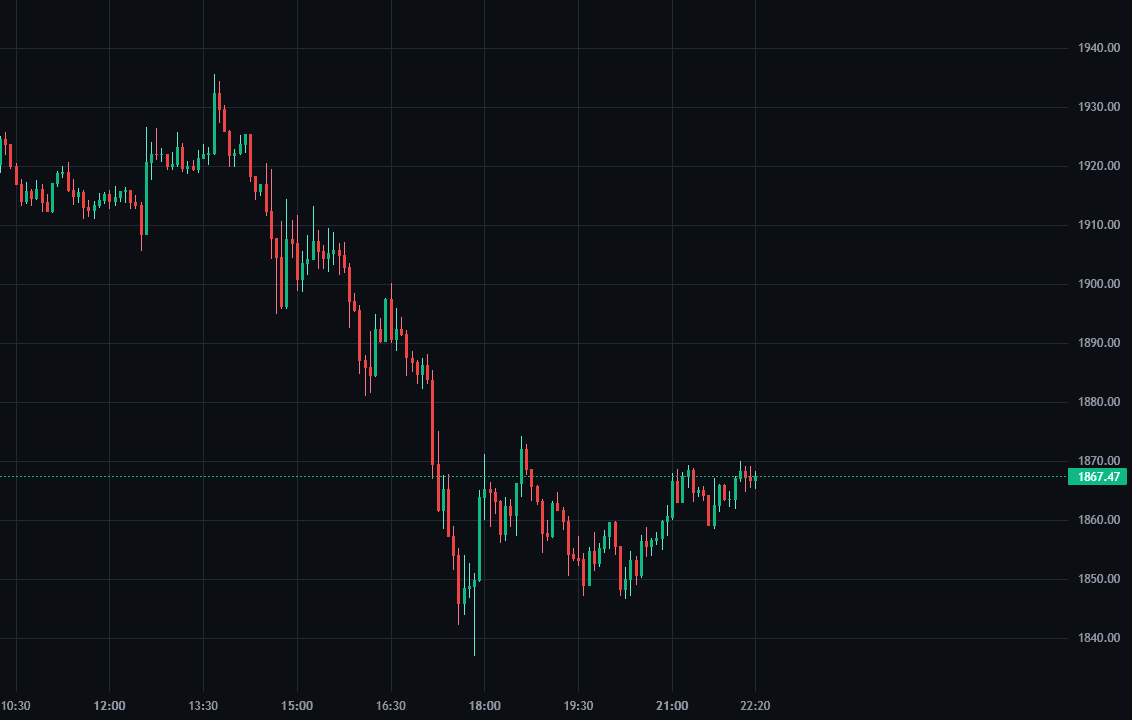
Why replay beats passive chart study
With static screenshots, candle reading often becomes hindsight. Replay prevents that because the answer is still hidden when you make the call.
If you want the beginner-friendly version of this same topic, continue with Candlestick Pattern Practice for Beginners.
Tie the candle back to the setup
This article connects directly to Trading Journal Workflow for Setup Review. The candle itself is rarely the whole story. It is part of a setup, and the journal should capture which setup you believed was active.
Practice workflow
Candlestick decision workflow
- Look at the decision window and identify the active structure first.
- Describe what the latest candle is proving or failing to prove.
- Commit to a directional read before the next candles reveal.
- Journal the miss with the setup and confirmation error if the read fails.
Review checklist
Candlestick review checklist
- Did I read the candle in context or in isolation?
- Was the candle actually confirming the setup or only creating hope?
- Did the next candle invalidate the idea immediately?
- Can I explain the miss without naming a candlestick pattern at all?
Bottom line
Train candlestick decision making as a live reading skill, not a naming exercise. Replay, committed answers, and journal review are what make the skill transferable.
Next step
Use the journal after your replay block
Log wrong calls, tag the setup, and build a repeatable review loop instead of ending practice after the replay.
FAQ
Questions traders ask about this topic
Is candlestick decision making just pattern memorization?
No. Useful candlestick decisions come from context, structure, and confirmation, not from isolated candle names alone.
Why use replay for candle reading?
Replay makes you commit to a read before future candles reveal the answer, which is the only honest way to train decision quality.
How do I know if my candle reading is improving?
Improvement shows up when the same mistake tags appear less often and your setup accuracy becomes more stable over repeated replay blocks.
Related Reads
Keep building the cluster
Trading Journal Workflow for Setup Review
A practical trading journal workflow for replay-based traders who want cleaner setup review, better mistake tagging, and stronger follow-through after wrong answers.
How to Review Wrong Trades in a Trading Journal
Review wrong trades so your journal finds the real pattern behind repeated misses instead of storing screenshots with no correction loop.
Price Action Drills for New Traders
Simple replay-based price action drills for new traders, using one setup, one market, and a review loop you can repeat every session.