How to Use Market Replay for Trading Practice
Use market replay properly by setting a focus, committing before the reveal, reviewing the miss, and turning each session into one clear rule.
Key Takeaways
- Market replay works only when it forces a committed read before the reveal.
- Each replay session should focus on one setup family or one review question.
- The review after replay matters as much as the replay itself.
- A short, repeatable replay workflow usually beats marathon sessions.
If you want to know how to use market replay for trading practice, start here: replay is not about watching old candles. It is about making an honest read before the answer is visible and then reviewing what the reveal proved or exposed.
That sounds simple, but most traders still use replay badly. They scroll, jump around, replay too fast, or take random entries with no clear question in mind. The result is more chart time without more skill.
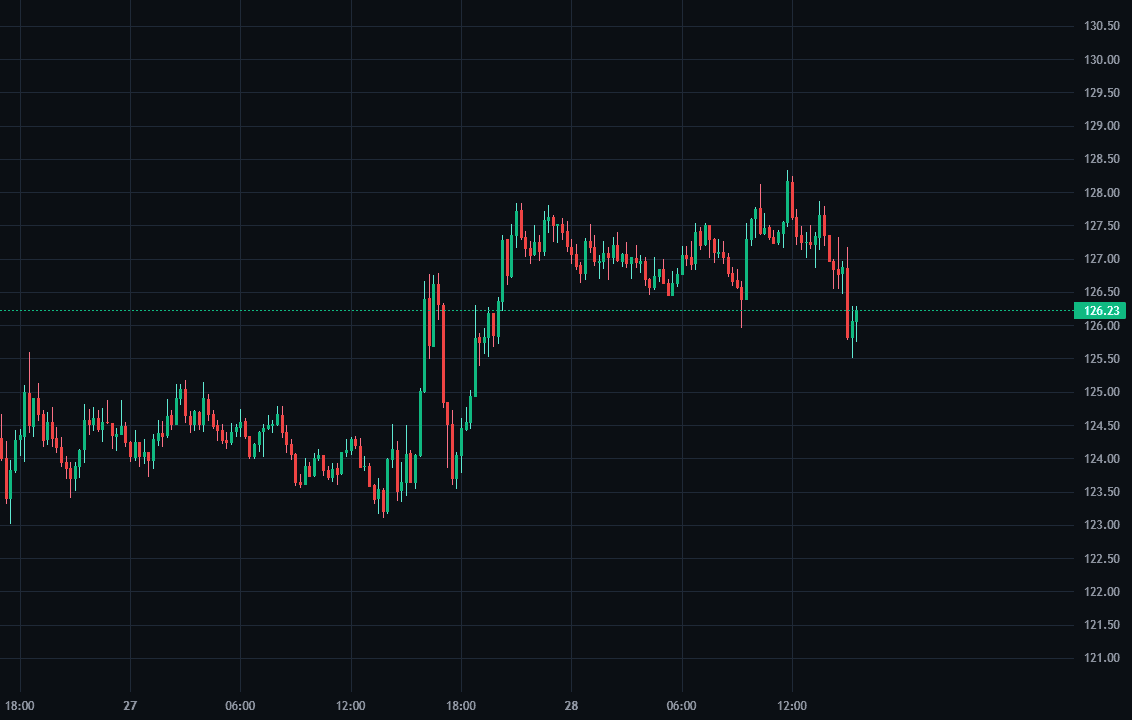
What market replay should help you train
A strong replay session should help you test:
- whether you can read a setup before the move is obvious
- whether your invalidation logic is clean
- whether the same mistake is repeating across sessions
- whether your review notes are getting more specific over time
If the replay does not sharpen one of those things, it is probably becoming entertainment instead of practice.
Start every replay session with one question
The fastest way to ruin replay is to ask the market ten questions at once.
Better examples:
- Am I too early on breakout retests?
- Do I keep forcing continuation setups inside ranges?
- Am I reading reclaim candles without enough context?
That is why How to Build a Replay Practice Routine keeps the session narrow. Replay works best when the review signal is obvious.
The clean market replay workflow
Practice workflow
How to use market replay
- Choose one market, one timeframe, and one setup family before the session starts.
- Open the chart with enough left-side context to read structure, but without seeing the future move.
- Commit to the directional idea or setup read before the reveal begins.
- Let the replay print forward in sequence instead of skipping too aggressively.
- Journal the miss or validate the read immediately after the replay ends.
This is the structure that turns replay into a practice loop instead of passive viewing.
What to review after the replay finishes
Most traders stop at right or wrong. That is not enough.
Review these instead:
- Was the setup real or only attractive in hindsight?
- Was the stop placement logical?
- Did the next candles invalidate the idea immediately?
- Did the mistake match something you have seen before?
If your journal is weak, pair replay work with How to Review Wrong Trades in a Trading Journal, the more replay-specific guide How to Review Replay Trading Mistakes, and How to Turn Journal Notes Into Next-Session Rules.
Common replay mistakes
The mechanics of replay are easy. The discipline is harder.
Review checklist
Market replay mistakes to avoid
- Do not replay so fast that you skip the real decision pressure.
- Do not mix too many setup families in one session.
- Do not keep changing markets just because the first chart felt unclear.
- Do not finish a replay block without writing the repeated miss.
These mistakes are why many traders say they use replay but still do not feel improvement.
How often should you use replay?
Short, frequent sessions usually work better than occasional marathon sessions.
A simple weekly structure looks like this:
- 3 to 4 replay blocks focused on one setup family
- 1 review session to tag repeated misses
- 1 mixed session to see whether the correction holds up
That is often enough to make errors measurable without turning practice into burnout.
Where SkillCandle fits
SkillCandle is designed around the exact replay loop most traders need: chart, decision, reveal, review. The goal is not to give you more historical candles. The goal is to make the read honest and the follow-up useful.
If you are still deciding whether replay is a better path than generic paper trading, read Trading Simulator vs Paper Trading. If you want a broader replay-platform comparison, continue with Best Trading Simulator for Market Replay. If you are still at the very start, Trading Simulator for Beginners gives the cleaner beginner-first decision path.
Bottom line
The right way to use market replay for trading practice is to treat it like a decision-and-review loop, not a chart viewer. Pick one question, commit before the reveal, and turn the result into a cleaner next session.
Next step
Replay market replay setups inside SkillCandle
Move from reading about the setup to actually practicing it with a partial chart, replay reveal, and tracked review notes.
FAQ
Questions traders ask about this topic
How should beginners use market replay?
Beginners should use market replay with one setup, one market cluster, and one review question per session so the feedback stays clear instead of noisy.
Is market replay better than watching old charts?
Yes, because replay keeps the future hidden and forces a decision before the answer becomes obvious.
What should I review after a replay session?
Review the repeated error, the invalidation logic, and whether the setup was real or only attractive in hindsight.
Related Reads
Keep building the cluster
Best Trading Simulator for Market Replay [Updated 2026]
What to compare when choosing a market replay simulator, and why replay quality matters more than feature lists for real chart practice.
How to Build a Replay Practice Routine
Build a replay routine short enough to keep doing, narrow enough to produce real review data, and structured enough to improve chart reading.
Market Replay Checklist Before Live Trading [Session Checklist]
Use this session checklist before live trading to confirm the setup read, invalidation logic, and review process are stable enough for real risk.
How to Practice Trading Without Real Money [Updated 2026]
Paper trading, broker demos and market replay compared, plus a 20-minute workflow to build chart skill before going live.