Market Replay Simulator vs Paper Trading [2026 Comparison]
Market replay simulator or paper trading? What each method trains, when replay wins for chart practice, and where paper trading still helps.
Key Takeaways
- Paper trading and replay trading train different skills.
- Replay is usually better for pattern recognition because it compresses chart experience.
- Paper trading becomes more useful after the trader already has a working setup and review process.
- SkillCandle is built around simulator-style replay because it shortens the feedback loop.
If you are comparing a market replay simulator vs paper trading workflow, you are usually trying to answer a practical question: which one will improve chart reading fastest right now?
This 2026 comparison is simple: replay and paper trading are both useful, but they train different bottlenecks. Traders often expect both tools to solve the same problem. They do not.
If your comparison is specifically about the TradingView workflow, read TradingView Paper Trading Simulator vs Replay Practice after this page.
Paper trading is usually about:
- simulated account balance
- live or delayed market participation
- order execution discipline
Market replay is about:
- pattern recognition
- fast repetition
- setup review
- deliberate practice blocks
Quick comparison table
| If you need to improve | Replay simulator | Paper trading |
|---|---|---|
| Pattern recognition | Better fit | Slower fit |
| Fast repetition | Better fit | Weak fit |
| Live-clock patience | Weak fit | Better fit |
| Execution pacing | Later-stage use | Better fit |
| Immediate review loops | Better fit | Usually weaker |
Comparison snapshot
Replay first or paper trade first?
This is the decision most traders actually need help with: what should come first in the learning curve?
Replay first
Best when chart reading is still weak
- More repetitions in less time
- Cleaner review after every answer
- Better for setup recognition and mistake pattern tracking
Paper trading first
Best when the setup edge already exists
- Useful for patience and live-clock pacing
- Better for practicing order management rhythm
- Less efficient if the real problem is still chart recognition
Visual model
How replay and paper trading fit the learning curve
They are not enemies. They just solve different bottlenecks at different stages.
Stage 1
Use replay to train the read
When the bottleneck is still chart recognition, replay gives more setup reps and cleaner feedback in less time.
Stage 2
Use review to find the repeated error
The replay outcome should feed into a journal or next-session rule before any live-clock practice becomes the priority.
Stage 3
Layer paper trading for execution rhythm
Once the setup quality is stronger, paper trading helps with waiting, pacing, and order management under real clock time.
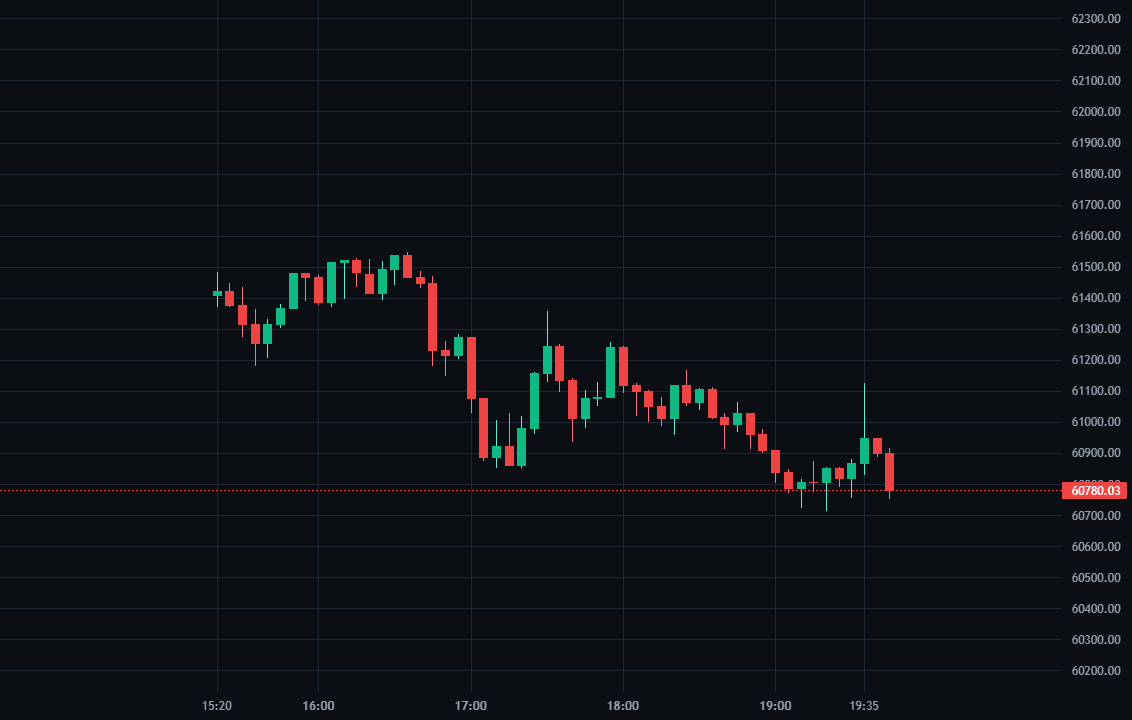
What a market replay simulator is better at
Replay is stronger when the goal is pure learning speed. You can run through far more chart decisions in one hour than live paper trading would ever allow.
What paper trading is better at
Paper trading still has value once you already have a working edge and want to practice:
- waiting through real clock time
- managing entries and exits live
- handling emotional pacing
That makes paper trading more useful later in the development curve.
The cleanest way to decide between them
Ask what skill you actually need to build this week.
- If the main problem is chart reading, setup recognition, or repeated misreads, start with replay.
- If the main problem is execution pacing, patience, or following account rules in real time, layer in paper trading later.
That distinction matters because many traders try to solve a weak-read problem with a more realistic simulator instead of a more repeatable learning loop.
The simplest way to combine them
Start with the replay-first pillar, Best Trading Simulator for Market Replay, then layer paper trading later if you need execution rhythm.
If you are still earlier in the journey and mainly want to build skill without live risk, read How to Practice Trading Without Real Money before deciding which path to emphasize first. If you want a true beginner-first filter before that, Trading Simulator for Beginners narrows the choice further and covers the free-vs-paid question too.
Practice workflow
Practical progression
- Use replay to build pattern recognition on a narrow set of setups.
- Review wrong reads in a journal until the weak pattern becomes clear.
- Once the setup quality improves, add paper trading for execution pacing and patience.
- Keep replay in the mix so improvement does not slow down.
Review checklist
Choose the right tool for the right job
- Use replay if you still need faster setup repetition.
- Use paper trading if execution timing is now the main problem.
- Do not expect paper trading alone to fix weak setup recognition.
- Do not stop reviewing mistakes just because the tool looks more realistic.
If you are close to going live, run Market Replay Checklist Before Live Trading [Session Checklist] before using paper trading as a confidence substitute.
Where crypto traders usually waste time
Crypto traders often jump into paper trading too early because it feels closer to the real market. The problem is that the account-style simulation hides the real bottleneck: they still cannot read the next move consistently.
If that sounds familiar, read Best Trading Simulator for Crypto Chart Practice and Best Way to Practice BTC Price Action. Both guides show why a narrower replay-first workflow usually gets better pattern recognition before account execution matters.
Bottom line
Market replay simulators and paper trading are both useful, but they are not interchangeable. Replay is usually the better tool for fast chart-skill building, while paper trading becomes more useful when the setup edge is already forming and execution discipline becomes the next bottleneck.
Next step
See the full replay and review stack
Compare Basic, Pro, and Ultra if you want deeper journals, more sessions, and the full practice workflow.
FAQ
Questions traders ask about this topic
Is a market replay simulator the same as paper trading?
No. Paper trading usually mirrors account-level execution, while a market replay simulator is focused on rapid repetition, setup review, and deliberate chart practice.
Which is better for chart practice?
For pattern recognition and chart reading, replay simulation is usually faster. For execution discipline and account management, paper trading can still help later.
Can traders use both?
Yes. Many traders benefit from replay for learning setups and paper trading later for execution rhythm.
Related Reads
Keep building the cluster
TradingView Bar Replay vs Focused Replay Practice
Learn when TradingView Bar Replay helps, where it falls short for deliberate practice, and how to use SkillCandle-style replay review for cleaner chart reps.
TradingView Paper Trading Simulator vs Replay Practice
Compare the TradingView paper trading simulator with replay practice, and learn when each workflow helps chart reading, execution rhythm, and review.
Best Trading Simulator for Market Replay [Updated 2026]
What to compare when choosing a market replay simulator, and why replay quality matters more than feature lists for real chart practice.
Crypto Trading Practice Simulator [Updated 2026]
Practice crypto trading with replay instead of random chart watching. This 2026 guide covers crypto trading practice, BTC/ETH/SOL replay, and review loops.
How to Build a Replay Practice Routine
Build a replay routine short enough to keep doing, narrow enough to produce real review data, and structured enough to improve chart reading.
Best Way to Practice BTC Price Action
The best way to practice BTC price action is replay-based repetition with tight setup focus, not passive chart watching. This guide shows how to structure that loop.