How to Practice Trading Without Real Money [Updated 2026]
Paper trading, broker demos and market replay compared, plus a 20-minute workflow to build chart skill before going live.
Key Takeaways
- Practicing without real money works best when the workflow is structured instead of random.
- Replay usually teaches pattern recognition faster than paper trading or a loose demo account.
- The goal is not fake profit. The goal is cleaner reads, better review notes, and fewer repeated mistakes.
- A short repeatable simulator routine is usually better than a long unfocused session.
If you want to learn how to practice trading without real money, the short answer is simple: use a structured simulator or replay workflow instead of relying only on random chart watching.
That matters because "practice without risk" can mean three very different things:
- paper trading
- broker demo trading
- replay or simulator practice
They are not equal. If your goal is real improvement, you need the method that gives you the cleanest decision and review loop, not the one that merely avoids losses.
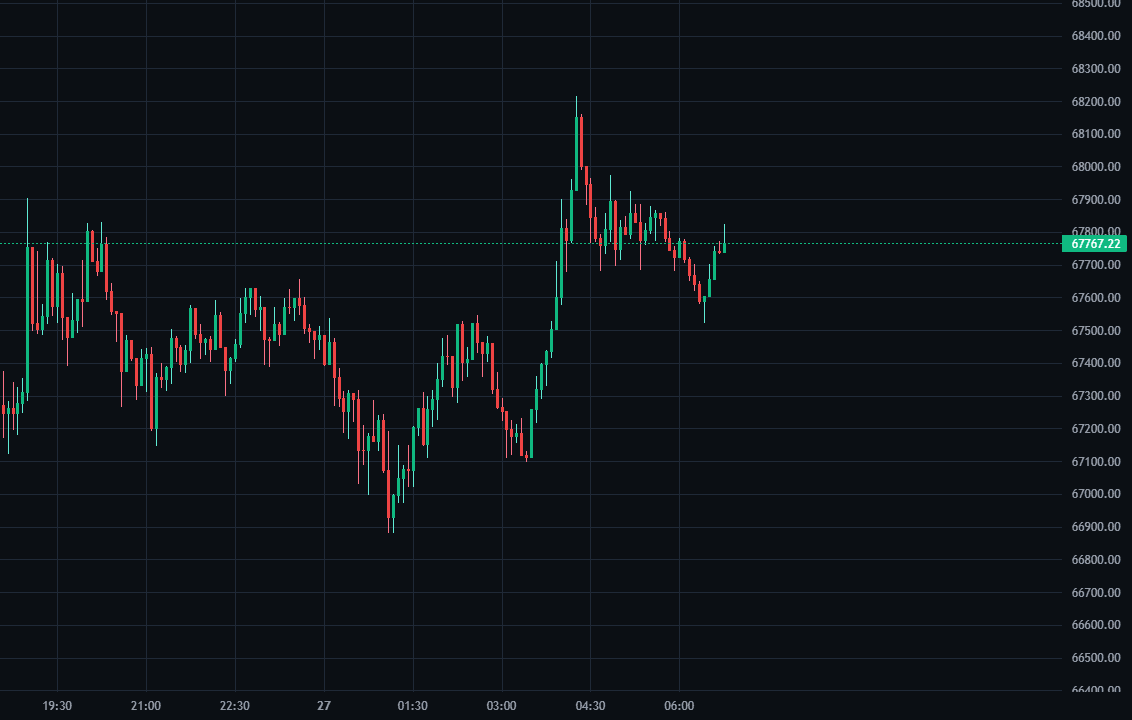
Best ways to practice trading without risk
Here is the fast comparison most traders actually need:
| Practice method | What it helps with | Where it falls short |
|---|---|---|
| Paper trading | Basic trade planning and note-taking | Too easy to stay vague, inconsistent, or dishonest about entries and exits |
| Broker demo account | Order placement and platform familiarity | Still slow for pattern repetition and often too open-ended |
| Replay simulator | Pattern recognition, setup repetition, review loops, and faster learning | Requires structure and honest review instead of random clicking |
If you are trying to build chart-reading skill, replay usually gives you the cleanest path because it compresses repetitions and keeps the answer hidden until you make the call.
Why replay often works better than paper trading
Paper trading has a place, but most traders use it badly. They open a chart, mark a few ideas, maybe take a fake trade, and then move on without learning much from the result.
Replay changes that because it forces a cleaner sequence:
- Read the chart before the answer is visible.
- Commit to the idea.
- Watch the reveal.
- Review the miss or validate the read.
That structure is why replay is often more useful than a generic demo account when the real problem is pattern recognition and decision quality.
If you want the full comparison, read Trading Simulator vs Paper Trading.
A better 20-minute trading practice block
If you want practice without real money to actually compound, keep the routine short and narrow.
Practice workflow
20-minute no-risk practice block
- Pick one market and one setup family before the session starts.
- Run a short replay block instead of switching between random charts.
- Write down the repeated miss immediately after the session.
- Turn the miss into one next-session rule instead of opening more charts.
This is the same logic behind How to Build a Replay Practice Routine: repetition works only when the session is tight enough to review honestly.
What to practice first when money is not on the line
Most traders try to practice everything at once. That usually creates noise.
Start with these instead:
- directional bias on a partial chart
- stop placement logic
- whether a setup is actually valid or just attractive
- how often the same mistake shows up in review
If you want the risk side to stay grounded, use the Position Size Calculator for Traders [Free Tool] before or after the simulator session and compare whether the stop still made sense after the reveal.
Mistakes traders make when they practice without real money
The most common problem is that "practice" becomes a loose excuse to consume charts without pressure.
Review checklist
Avoid these no-risk practice mistakes
- Do not switch symbols and timeframes every few minutes.
- Do not judge progress only by fake PnL.
- Do not skip review just because no money was lost.
- Do not practice ten setups at once when one setup is still unclear.
Without structure, paper trading and demo trading can become a comfort blanket instead of a training tool.
When to move from practice to small live risk
You do not need perfect simulator stats before going live, but you do need evidence that the process is becoming cleaner.
Look for:
- fewer repeated review mistakes
- more stable decision quality across sessions
- better invalidation logic
- less impulsive clicking
If those are improving, your no-risk practice is doing its job. If not, more screen time alone will not fix it.
Where SkillCandle fits
SkillCandle is built for the part most traders skip: committed replay decisions followed by review. The point is not to act like a fake brokerage account. The point is to practice chart reading, replay the outcome, and learn fast enough that the next session is sharper.
If you want the next step after this guide, start with How to Use Market Replay for Trading Practice, then narrow the chart-reading side with How to Practice Price Action Without Live Money, and finally compare the broader platform angle with Best Trading Simulator for Market Replay.
Bottom line
The best way to practice trading without real money is the one that makes your mistakes visible. For most developing traders, that means using replay or a simulator with a real review loop, not just casually paper trading and hoping experience will show up on its own.
Next step
Replay market replay setups inside SkillCandle
Move from reading about the setup to actually practicing it with a partial chart, replay reveal, and tracked review notes.
FAQ
Questions traders ask about this topic
What is the best way to practice trading without real money?
For most beginners, the best path is a structured simulator or replay workflow because it lets you practice decisions, review mistakes, and repeat patterns faster than a live broker demo alone.
Is paper trading enough to learn?
Paper trading can help with basic order logic, but it is usually too loose on structure and too slow for building pattern recognition quickly.
When should I move from practice to small live risk?
Move only after your practice sessions show stable decision quality, repeatable review notes, and cleaner execution over multiple sessions instead of one lucky streak.
Related Reads
Keep building the cluster
Market Replay Simulator vs Paper Trading [2026 Comparison]
Market replay simulator or paper trading? What each method trains, when replay wins for chart practice, and where paper trading still helps.
Best Trading Simulator for Market Replay [Updated 2026]
What to compare when choosing a market replay simulator, and why replay quality matters more than feature lists for real chart practice.
How to Build a Replay Practice Routine
Build a replay routine short enough to keep doing, narrow enough to produce real review data, and structured enough to improve chart reading.
How to Use Market Replay for Trading Practice
Use market replay properly by setting a focus, committing before the reveal, reviewing the miss, and turning each session into one clear rule.