Trading Simulator for Beginners: What to Use First in 2026
What complete beginners should compare in a trading simulator, when replay beats paper trading, and which features actually matter.
Key Takeaways
- A beginner simulator should make chart decisions repeatable before it tries to look advanced.
- Replay-first practice usually teaches setup recognition faster than generic paper trading alone.
- Beginners should compare workflow quality, not just how many widgets the platform has.
- The right simulator depends on whether the bottleneck is chart reading or execution rhythm.
If you are searching for a trading simulator for beginners, you probably do not need the most advanced trading terminal. You need a tool that helps you practice chart decisions honestly, repeat them often, and review the miss before real money gets involved.
That is why the best beginner simulator is usually not the one with the longest feature list. It is the one that makes the training loop clear:
- see the chart before the answer
- commit to a read
- watch the reveal
- review what broke
| Option | Best for | Why it helps beginners | Where it breaks down |
|---|---|---|---|
| Replay-first simulator | Chart reading, setup recognition, fast repetition | Forces honest reads before the future is visible | Does not fully simulate live-market execution pressure |
| Paper trading account | Platform comfort and order placement | Helps with order entry and market rhythm | Too slow for repeated setup drilling |
| Broker demo account | Execution familiarity | Useful once the edge is forming | Often distracts beginners into account-roleplay before chart skill is stable |
| Journal-led review workflow | Mistake correction | Makes weak reads repeatable and measurable | Needs good labels and discipline to work |
Visual model
What beginners actually need from a simulator
The simulator should reduce confusion, not add more of it.
Clarity
A clean chart before the reveal
Beginners need believable context and hidden future candles so the read feels real instead of obvious.
Repetition
Fast enough to train the same setup repeatedly
Learning accelerates when one pattern can be reviewed multiple times in one short session.
Review
A built-in path to label the miss
If right or wrong is the end of the workflow, the simulator will feel active without creating much improvement.
Restraint
Less dashboard, more decision quality
Beginners usually improve faster from a tighter loop than from a crowded platform full of optional features.
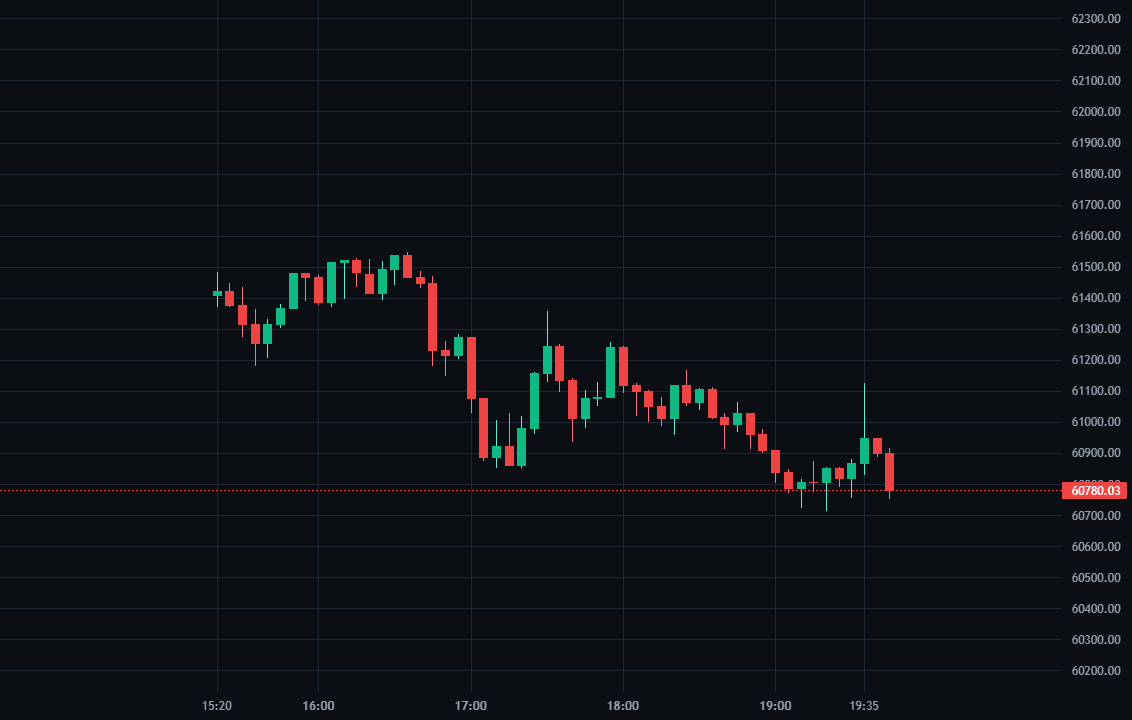
What complete beginners should compare first
Before comparing brands, compare the training job.
Beginners usually need one of two things:
- better chart reading
- better live-market execution rhythm
If the problem is chart reading, replay usually wins. If the problem is order placement and calm execution during live hours, paper trading or demo execution becomes more useful.
This is the core distinction in Trading Simulator vs Paper Trading. Many traders choose the more realistic tool when they actually need the more repeatable one.
When replay is better than paper trading for beginners
Replay is usually better when:
- you still hesitate on structure
- you cannot explain invalidation clearly
- you keep spotting setups only after the move is obvious
- you need repetition more than realism
Paper trading is usually better when:
- you already know the setup but panic during execution
- you need to get comfortable placing and managing orders
- you want to feel the slower rhythm of live-market decision making
Features that matter more than beginners think
A crowded feature sheet can make a simulator look powerful while still being hard to learn from.
The best beginner simulator should help you answer these questions:
- Does it hide the future well enough to force a real read?
- Does it let you repeat the same kind of setup often?
- Does it connect the outcome to a review or journal step?
- Does it stay simple enough that the practice loop does not disappear inside tooling?
If you want the broader replay-specific comparison, continue with Best Trading Simulator for Market Replay.
What beginners should avoid
Review checklist
Simulator mistakes beginners make
- Do not judge the simulator only by how advanced it looks.
- Do not use live-looking fake PnL as proof that the learning is working.
- Do not mix execution training and setup-recognition training without knowing which one you are actually working on.
- Do not choose a simulator that makes review harder after the replay ends.
- Do not jump between tools every week before building a repeatable routine.
Where SkillCandle fits
SkillCandle fits beginners best when the goal is replay-first practice: clean chart windows, quick decisions, immediate reveals, and review after the answer. It is less about pretending to run a full trading desk and more about making weak reads visible early.
If you are still earlier than that, start with How to Practice Trading Without Real Money. If budget is the first filter, use the free-vs-paid checklist in this guide before comparing tools. If you already know replay is the right path, go next to How to Use Market Replay for Trading Practice and Market Replay Trading Practice Plan.
Bottom line
The best trading simulator for beginners is the one that teaches chart decisions clearly before it tries to simulate everything else. For most new traders, that means replay first, review second, and live execution practice later.
Next step
Replay market replay setups inside SkillCandle
Move from reading about the setup to actually practicing it with a partial chart, replay reveal, and tracked review notes.
FAQ
Questions traders ask about this topic
What is the best trading simulator for beginners?
The best trading simulator for beginners is the one that makes decisions repeatable, keeps the future hidden during practice, and makes review easy after the reveal.
Should beginners use replay or paper trading first?
Beginners usually improve faster with replay first because it compresses repetition and exposes weak reads quickly. Paper trading becomes more useful later for live-market execution rhythm.
What features matter most in a beginner trading simulator?
Clean replay, believable chart context, strong review flow, and simple risk logic matter more than a crowded feature list or overly complex terminal tools.
Related Reads
Keep building the cluster
How to Practice Trading Without Real Money [Updated 2026]
Paper trading, broker demos and market replay compared, plus a 20-minute workflow to build chart skill before going live.
Best Trading Simulator for Market Replay [Updated 2026]
What to compare when choosing a market replay simulator, and why replay quality matters more than feature lists for real chart practice.
Market Replay Simulator vs Paper Trading [2026 Comparison]
Market replay simulator or paper trading? What each method trains, when replay wins for chart practice, and where paper trading still helps.
How to Use Market Replay for Trading Practice
Use market replay properly by setting a focus, committing before the reveal, reviewing the miss, and turning each session into one clear rule.