How to Turn Journal Notes Into Next Session Rules
Learn how to turn trading journal notes into practical next-session rules so your review process actually changes the next replay block.
Key Takeaways
- A journal note becomes useful when it ends with one specific behavioral rule.
- The best next-session rule targets the repeated mistake, not every mistake from the session.
- Good rules are testable in the next replay block.
- Weekly review should tell you which rule to keep, drop, or refine.
Most traders know how to write a journal note. Fewer traders know how to turn that note into a rule that actually changes the next session.
That is why many journals feel productive but still do not improve decision quality. The notes describe the past, but they do not shape the next replay block.
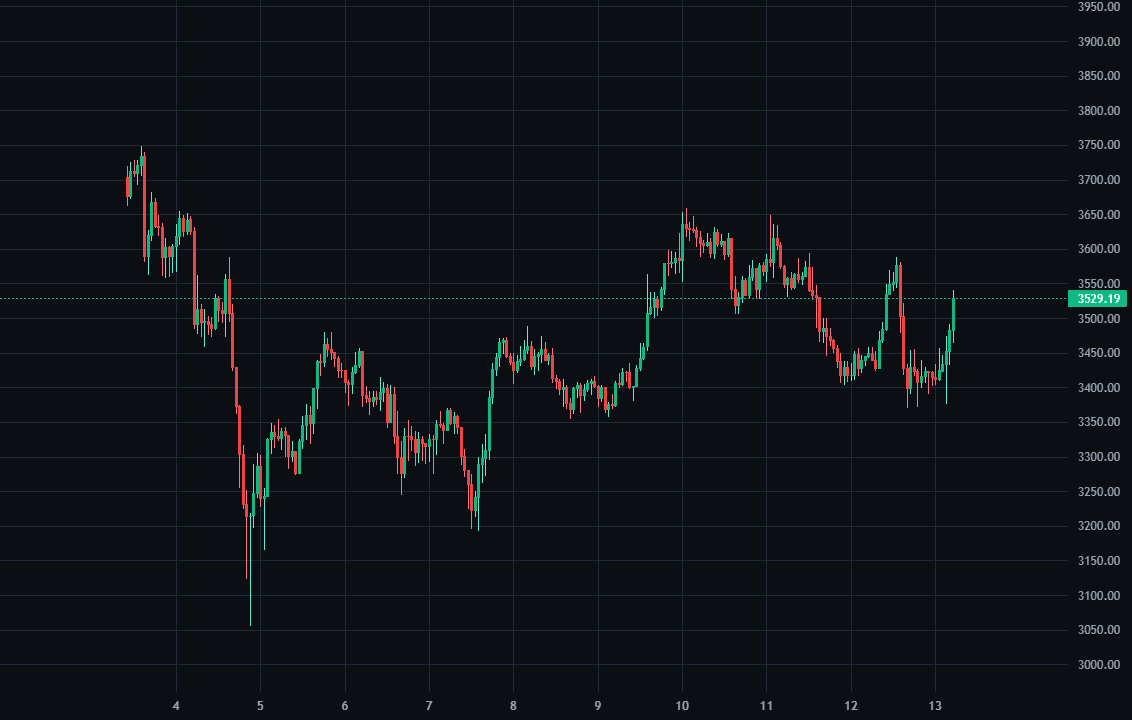
What a weak journal note sounds like
Weak note:
I need to be more patient
That sounds true, but it does not tell you what to do on the next chart.
Stronger note:
No continuation call unless the reclaim closes cleanly above the level
Now the next session has a real rule, and the replay block can test whether that rule improves your read.
Turn the note into a rule with this formula
Use this simple structure:
When X happens, I will only take the read if Y is visible.
Examples:
When a sweep happens in range chop, I will only call reversal if there is clear reclaim and follow-through.When price taps an order block, I will only trust it if displacement was obvious before the retest.When continuation looks strong, I will only stay with it if the level accepts after the break.
That kind of sentence is much easier to test than generic emotional advice.
The next-session rule workflow
Practice workflow
Turn review into the next replay rule
- Find the repeated mistake label from the session instead of the noisiest single loss.
- Convert that mistake into one conditional rule.
- Run a short replay block focused on that one rule.
- Check whether the mistake frequency actually dropped.
Good rules vs bad rules
Bad rules:
- be patient
- trust the setup
- wait for cleaner context
Good rules:
- no breakout continuation without acceptance above the level
- no sweep reversal call without reclaim close
- no order block read unless the displacement candle is obvious
The difference is testability. You should be able to look at the next replay chart and know whether you followed the rule or ignored it.
How many rules should one session create?
Usually just one.
One real rule gives the next session a clean purpose. Three or four rules usually create noise, especially if the session was already messy.
If multiple mistakes showed up, pick the one that repeated the most. That is the one most likely to improve your overall hit rate first.
Connect this page to the wider journal system
This article works best with:
- Trading Journal Workflow for Setup Review
- How to Review Wrong Trades in a Trading Journal
- Post-Session Trading Review Checklist
Together, those pages cover:
- how to review the chart
- how to label the mistake
- how to turn the label into the next focused rule
Bottom line
Journal notes start helping when they become testable instructions for the next replay block. Pick one repeated mistake, convert it into one rule, and run the next session against that rule. That is how review turns into measurable change.
Next step
Use the journal after your replay block
Log wrong calls, tag the setup, and build a repeatable review loop instead of ending practice after the replay.
FAQ
Questions traders ask about this topic
Why should journal notes become rules?
A rule makes the review actionable. Without it, the journal often stays descriptive and never changes the next replay session.
What makes a good next-session rule?
A good rule is specific, testable, and tied to one repeated mistake, such as waiting for confirmation or skipping weak context.
Should I create multiple rules after one session?
Usually no. One strong rule is easier to test honestly than a long list of vague corrections.
Related Reads
Keep building the cluster
Trading Journal Workflow for Setup Review
A practical trading journal workflow for replay-based traders who want cleaner setup review, better mistake tagging, and stronger follow-through after wrong answers.
How to Review Wrong Trades in a Trading Journal
Review wrong trades so your journal finds the real pattern behind repeated misses instead of storing screenshots with no correction loop.
Post-Session Trading Review Checklist [End-of-Day Checklist]
Use this end-of-day trading review checklist to close replay blocks properly, capture the real mistake, and carry one useful correction into the next session.