Liquidity Sweep on ETH/USDT Replay Practice
Practice liquidity sweep on ETH/USDT with real SkillCandle question and replay charts, practical checklists, and common mistake review.
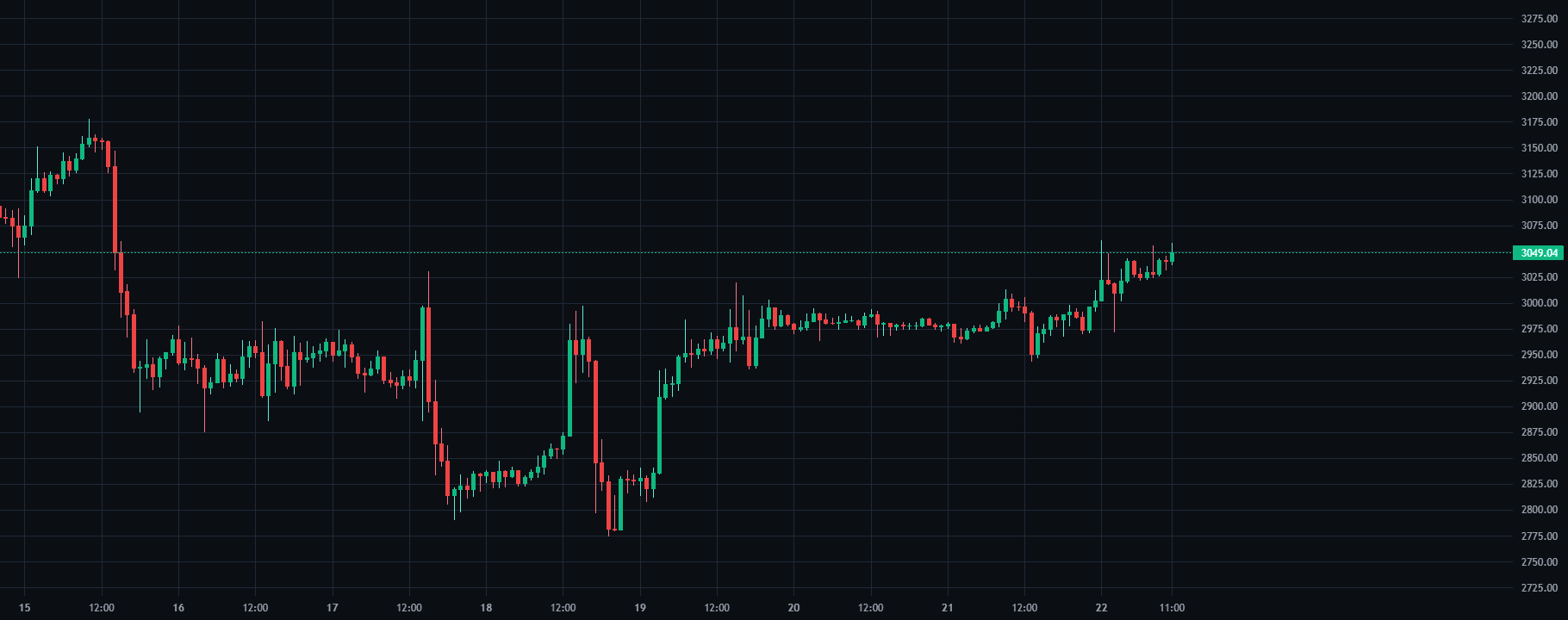
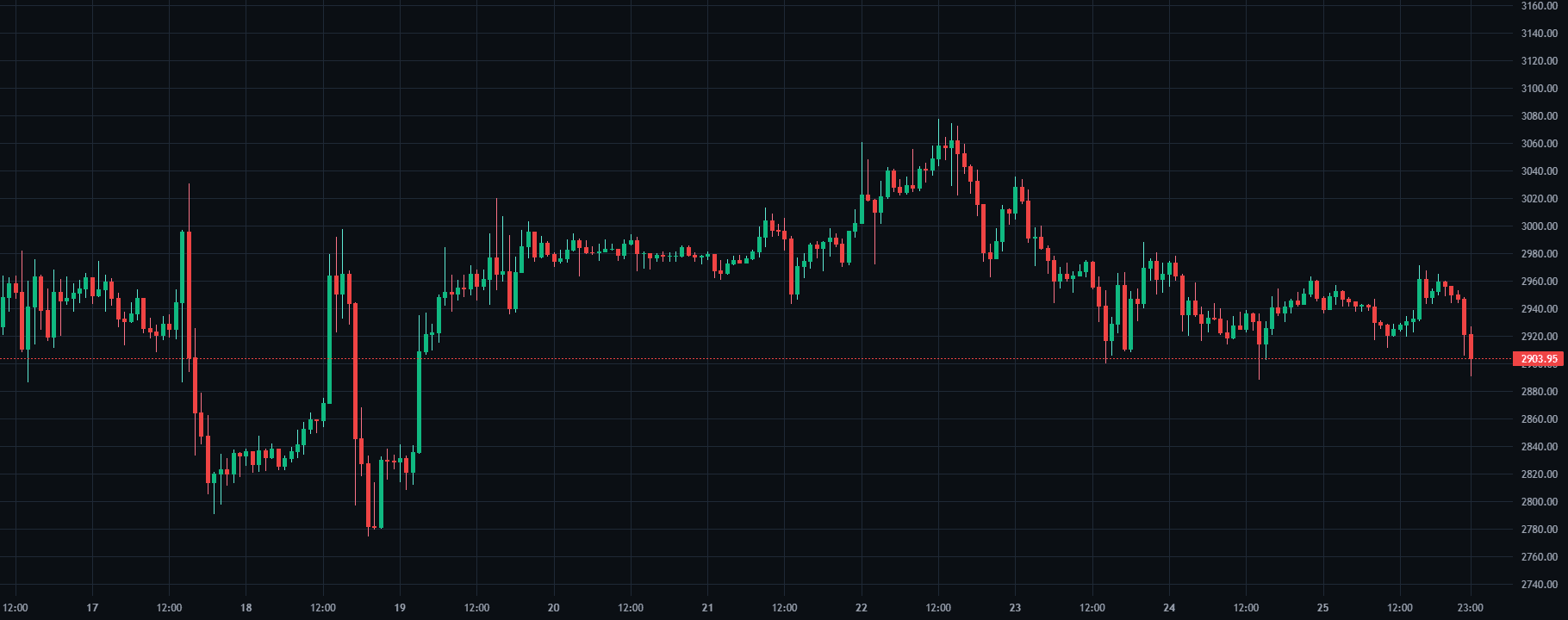
Real SkillCandle Capture
Annotated question view and replay reveal
Review the same question state and replay reveal that were approved for this setup page. This keeps the public page fast and focused on the actual example.
How to practice this
Replay workflow
- Find the obvious pool of highs or lows before replay. Use ETH/USDT because replay ethereum chart windows to practice cleaner crypto pullbacks, structure breaks, and intraday continuation decisions.
- Wait for the sweep to show rejection or reclaim behavior, not just the stop run itself.
- Use replay to see whether price displaced away or accepted beyond the sweep level.
- Record whether the market treated the move as a trap or true breakout.
Common mistakes
What usually breaks the read
- Entering right into the sweep candle without waiting for rejection.
- Ignoring whether price quickly reclaims the level after the stop run.
- Calling every wick a sweep even when no obvious liquidity pool existed.
- Ignoring how ETH/USDT typically behaves when replay shifts from pause to expansion.
Next Session Rule
Turn the replay into a repeatable checklist
- Take one liquidity sweep replay on ETH/USDT and explain the confirmation before pressing replay.
- Review whether the move respected structure or invalidated it immediately after the reveal.
- Write one next-session rule based on the replay instead of just noting whether the prediction was right or wrong.
Related Replay Pages
Adjacent setup or market pages
Order Blocks on ETH/USDT Replay Practice
Practice order blocks on ETH/USDT with real SkillCandle question and replay charts, practical checklists, and common mistake review.
Breakdown Retest on ETH/USDT Replay Practice
Practice breakdown retest on ETH/USDT with real SkillCandle question and replay charts, practical checklists, and common mistake review.
Free Tools
Pressure-test the trade before you replay it
Position Size Calculator
Calculate risk amount, stop distance, and position size for crypto, forex, and gold trades.
Risk Reward Calculator
Measure risk percent, reward percent, and R multiple from entry, stop, and target.
Break-Even Win Rate Calculator
Turn reward-to-risk into the win rate needed just to break even.
Related Blog Posts
Use the editorial guides to deepen the loop
Liquidity Sweep Trading Example
A crypto-first liquidity sweep trading example with replay-based review points so you can stop mistaking every wick for a real sweep reversal. Learn what to watch before the reclaim confirms the idea.
How to Practice Price Action Trading
A crypto-first framework for practicing price action trading with replay, setup clustering, and review loops instead of random screen time.
Price Action Drills for New Traders
Price action drills for new traders should be simple, replay-based, and review-heavy. This guide shows how to build a beginner chart-practice routine with one setup, one market, and repeatable review.
ETH Replay Decision Window Guide
A practical guide to isolating ETH decision windows in replay so you stop grading the whole session loosely and start reviewing the exact moment the read broke down.
FAQ
Questions traders ask about this page
How should I practice liquidity sweep on ETH/USDT?
Start on a partial chart, make the call before replay, then judge whether liquidity sweep actually held on ETH/USDT. The goal is reps plus review, not one-off prediction.
Why does replay help more than static chart screenshots for Ethereum?
Replay forces a decision before you know the outcome. That makes it easier to spot whether you really read structure, liquidity, and follow-through on ETH/USDT or just explained the chart after the fact.
What should I review after a wrong liquidity sweep call?
Review whether you had confirmation, whether the level or structure was valid, and whether price accepted or rejected the key area. Then turn that miss into one next-session rule before the next replay block.