ETH Replay Decision Window Guide
A practical guide to isolating ETH decision windows in replay so you stop grading the whole session loosely and start reviewing the exact moment the read broke down.
Key Takeaways
- A decision window is shorter and more reviewable than a whole session.
- ETH replay gets clearer when you define the exact area where the read became actionable.
- Most review mistakes come from grading the outcome instead of grading the window.
- Better replay notes start with where the read became valid, not where the move ended.
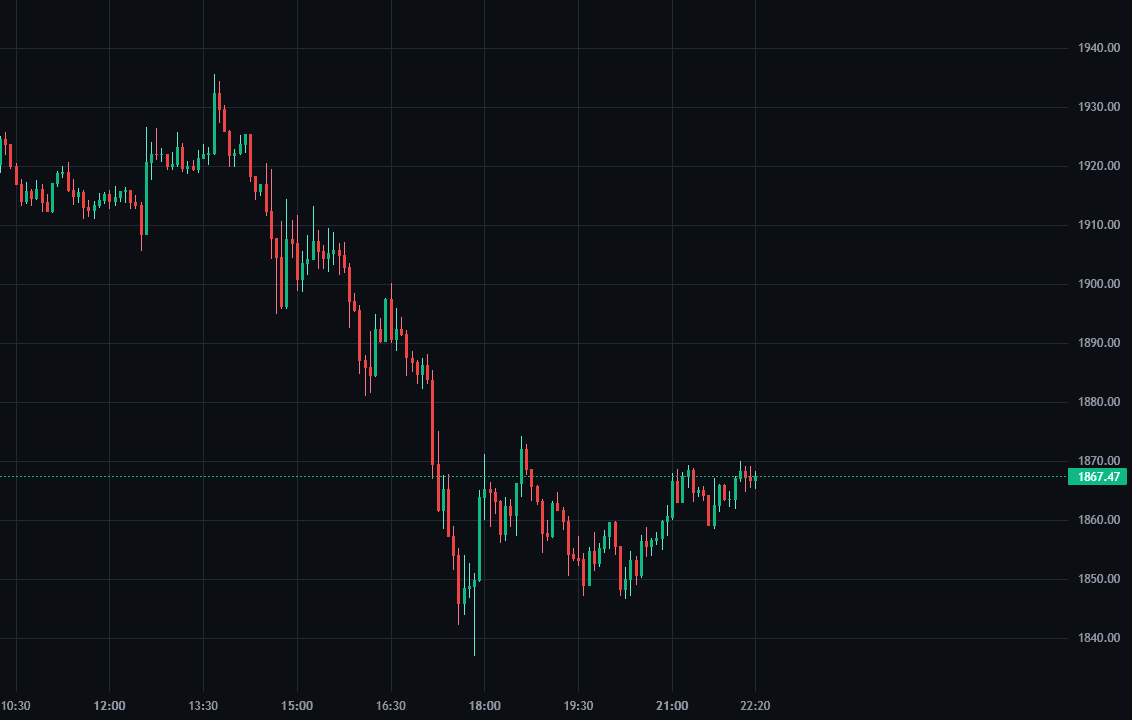
An ETH replay decision window is the part of the chart that actually deserves the review. Many traders replay an entire sequence, remember the result, and then write notes that are too broad to fix anything.
What counts as a decision window
The decision window starts when the chart gives enough structure to justify a directional read. It ends when the next few candles clearly confirm or reject that read.
That means the review should stay narrow:
- where did the setup become tradable?
- what clue was trusted first?
- what invalidated the read after entry?
How to review the ETH decision window
This guide supports Best Trading Simulator for Market Replay. The goal is to separate chart context from the exact point where the read had to be right.
Practice workflow
ETH decision window workflow
- Pause the replay where the setup first becomes actionable.
- Mark the price area that defines the decision, not the whole chart swing.
- Record the directional read before the reveal continues.
- After the reveal, name the clue that confirmed or invalidated the read.
Review checklist
Decision window review checklist
- Can I point to the exact candles where the read became actionable?
- Was the bias based on structure or on momentum chasing?
- Did the invalidation appear quickly and clearly after the read?
- Would I take the same read again with the same context?
Bottom line
Replay improves faster when the review is tied to the actual decision window. If the ETH note is too broad to point at one clear chart area, the session probably still needs a better review.
Next step
Replay market replay setups inside SkillCandle
Move from reading about the setup to actually practicing it with a partial chart, replay reveal, and tracked review notes.
FAQ
Questions traders ask about this topic
What is a decision window in replay?
A decision window is the short stretch of candles where the setup becomes actionable and your directional read can be judged before hindsight takes over.
Why focus on ETH decision windows instead of full sessions?
Narrowing the review to the exact decision window makes it easier to find whether the error came from context, timing, or forcing a bias.
Should traders mark decision windows manually?
Yes. Marking the decision window forces a clean before-and-after review and keeps the session from turning into vague chart storytelling.
Related Reads
Keep building the cluster
Best Trading Simulator for Market Replay [Updated 2026]
What to compare when choosing a market replay simulator, and why replay quality matters more than feature lists for real chart practice.
How to Build a Replay Practice Routine
Build a replay routine short enough to keep doing, narrow enough to produce real review data, and structured enough to improve chart reading.
How to Practice Price Action Trading
A crypto-first framework for practicing price action trading with replay, setup clustering, and review loops instead of random screen time.