TradingView Paper Trading Simulator vs Replay Practice
Compare the TradingView paper trading simulator with replay practice, and learn when each workflow helps chart reading, execution rhythm, and review.
Key Takeaways
- A paper trading simulator is useful for execution rhythm, but it is not the fastest way to build chart-reading skill.
- Market replay gives more repetitions because traders can practice historical decision windows quickly.
- TradingView paper trading free workflows are strongest after a trader already has a setup and review loop.
The TradingView paper trading simulator is useful, but it solves a different problem than replay practice.
Paper trading helps you rehearse execution. Replay practice helps you improve the chart read before execution becomes the main bottleneck.
That distinction matters because many beginners use a paper trading simulator too early. They practice clicking entries and exits while the real weakness is still simpler: they cannot yet read the setup cleanly before the market moves.
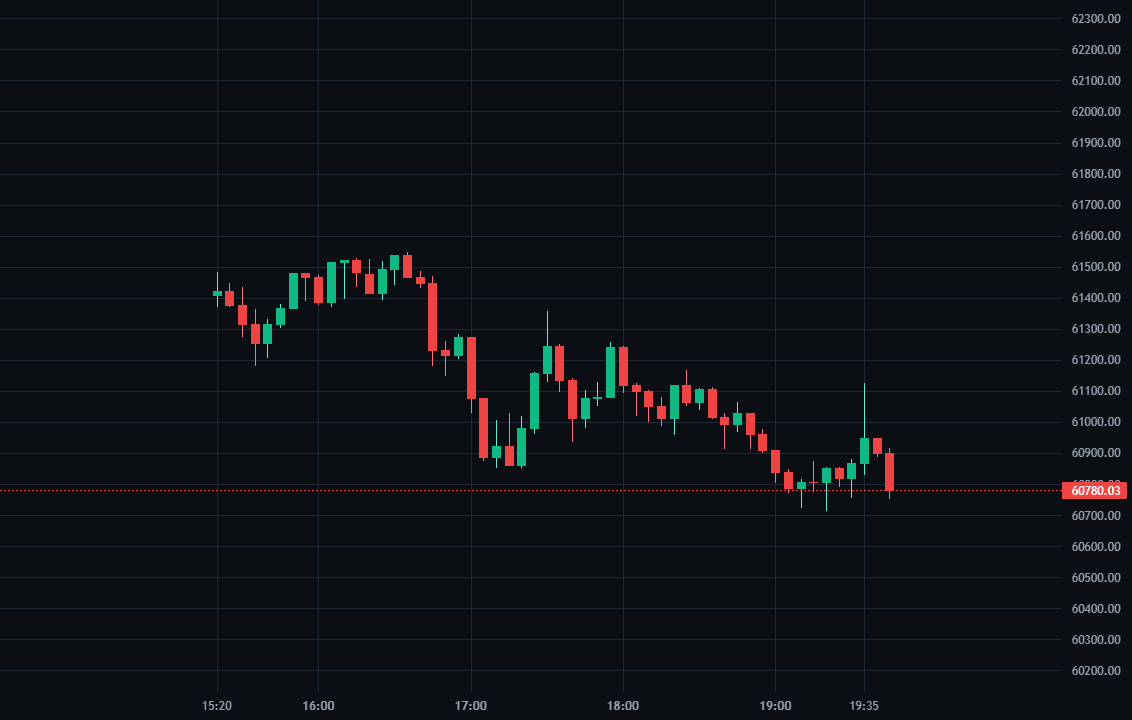
Quick comparison
| Workflow | Best for | Weakness |
|---|---|---|
| TradingView paper trading simulator | Order placement, live-clock patience, execution rhythm | Slow feedback if chart reading is still weak |
| Market replay simulator | Fast setup repetition, price action practice, mistake review | Less focused on live order management |
| SkillCandle replay workflow | Hidden-future reads, reveal, journal review, next-session rules | Best when used as deliberate practice, not random clicking |
If you need live order rehearsal, paper trading can help. If you need more clean chart decisions, replay is usually faster.
Where the TradingView paper trading simulator helps
A paper trading simulator is useful when you already know the setup you want to trade and need to practice:
- waiting for the entry trigger
- placing orders without live risk
- managing stop and target logic
- staying patient while a trade develops
That is execution rhythm. It matters, but it comes after the chart read is clear enough to test.
Where replay practice is stronger
Replay practice is stronger when the goal is repetition.
Instead of waiting for the live market to create one clean setup, you can run many historical decision windows in one session. That lets you see the same mistake faster:
- calling continuation before confirmation
- entering a breakout with no acceptance
- treating every wick as a liquidity sweep
- ignoring the invalidation level
- forcing a trade when
waitwas the correct decision
Practice workflow
Replay-first practice flow
- Open a historical chart window with the future hidden.
- Name the setup and commit to a direction or wait decision.
- Reveal the next candles in sequence.
- Save the mistake label and next-session rule before opening another chart.
That loop is why replay is often better before paper trading. It gives more chances to correct the read.
TradingView paper trading free vs SkillCandle replay
The phrase TradingView paper trading free usually attracts traders who want a no-risk way to practice. That intent is valid, but the best tool depends on the skill being trained.
Use paper trading when:
- you need to understand order flow in a charting platform
- you already have a setup plan
- your main weakness is patience or trade management
Use SkillCandle replay when:
- you need more chart-reading reps
- you keep misreading the same setup
- you want price action practice without live pressure
- you need a journal note after every reveal
Comparison snapshot
Which one should come first?
Choose based on the bottleneck, not based on which interface feels more realistic.
Replay first
Best when the read is still weak
- More examples in less time
- Cleaner mistake labels
- Better for price action and candlestick practice
Paper trading later
Best when execution rhythm is the bottleneck
- Useful for order placement
- Closer to live-clock patience
- Better after a setup plan already exists
How to combine both
The cleanest path is not paper trading vs replay forever. It is sequence.
Practice workflow
Better simulator sequence
- Use replay to build setup recognition and remove repeated chart-reading mistakes.
- Use the journal to turn wrong reads into one correction rule.
- Run another replay block on that correction until the read stabilizes.
- Then use paper trading to rehearse timing, order placement, and patience.
That sequence keeps each tool in the right job.
Common mistake: choosing realism too early
Beginners often choose the tool that feels closest to live trading. That sounds logical, but realism is not always the fastest teacher.
If the chart read is weak, a realistic simulator can simply make weak decisions feel more official. The better first step is a tighter loop:
- fewer markets
- fewer setup types
- more repeated examples
- faster review
That is why Market Replay Simulator vs Paper Trading and Best Trading Simulator for Market Replay should be read before choosing a tool only by its interface.
Bottom line
The TradingView paper trading simulator can help once you need execution rhythm. But if the real problem is chart reading, market replay is the smarter first layer. Use SkillCandle to practice the read, reveal the outcome, and review the miss before using paper trading to rehearse live-clock execution.
Next step
Replay market replay setups inside SkillCandle
Move from reading about the setup to actually practicing it with a partial chart, replay reveal, and tracked review notes.
FAQ
Questions traders ask about this topic
Is TradingView paper trading good for beginners?
It can help beginners learn order placement and live-clock pacing, but it is slower for pure chart-reading repetition than a replay-first practice workflow.
Is paper trading the same as market replay?
No. Paper trading simulates execution in a live or live-like market. Market replay focuses on repeated historical chart decisions with faster feedback.
When should I use SkillCandle instead of a paper trading simulator?
Use SkillCandle when the main problem is still reading setups, recognizing price action, and reviewing wrong calls before risking live money.
Related Reads
Keep building the cluster
TradingView Bar Replay vs Focused Replay Practice
Learn when TradingView Bar Replay helps, where it falls short for deliberate practice, and how to use SkillCandle-style replay review for cleaner chart reps.
Market Replay Simulator vs Paper Trading [2026 Comparison]
Market replay simulator or paper trading? What each method trains, when replay wins for chart practice, and where paper trading still helps.
Best Trading Simulator for Market Replay [Updated 2026]
What to compare when choosing a market replay simulator, and why replay quality matters more than feature lists for real chart practice.
Trading Simulator for Beginners: What to Use First in 2026
What complete beginners should compare in a trading simulator, when replay beats paper trading, and which features actually matter.
How to Practice Trading Without Real Money [Updated 2026]
Paper trading, broker demos and market replay compared, plus a 20-minute workflow to build chart skill before going live.