Replay page
Order Blocks on ETH/USDT Replay Practice
Practice order blocks on ETH/USDT with real SkillCandle question and replay charts, practical checklists, and common mistake review.
Crypto · 9 QA-approved replay examplesOpen page
Practice order blocks across real SkillCandle replay examples, symbol-specific guides, and review-first workflows.
Featured example
This is one real SkillCandle example from the setup family. Open the full replay page to review the question view, replay reveal, and workflow.
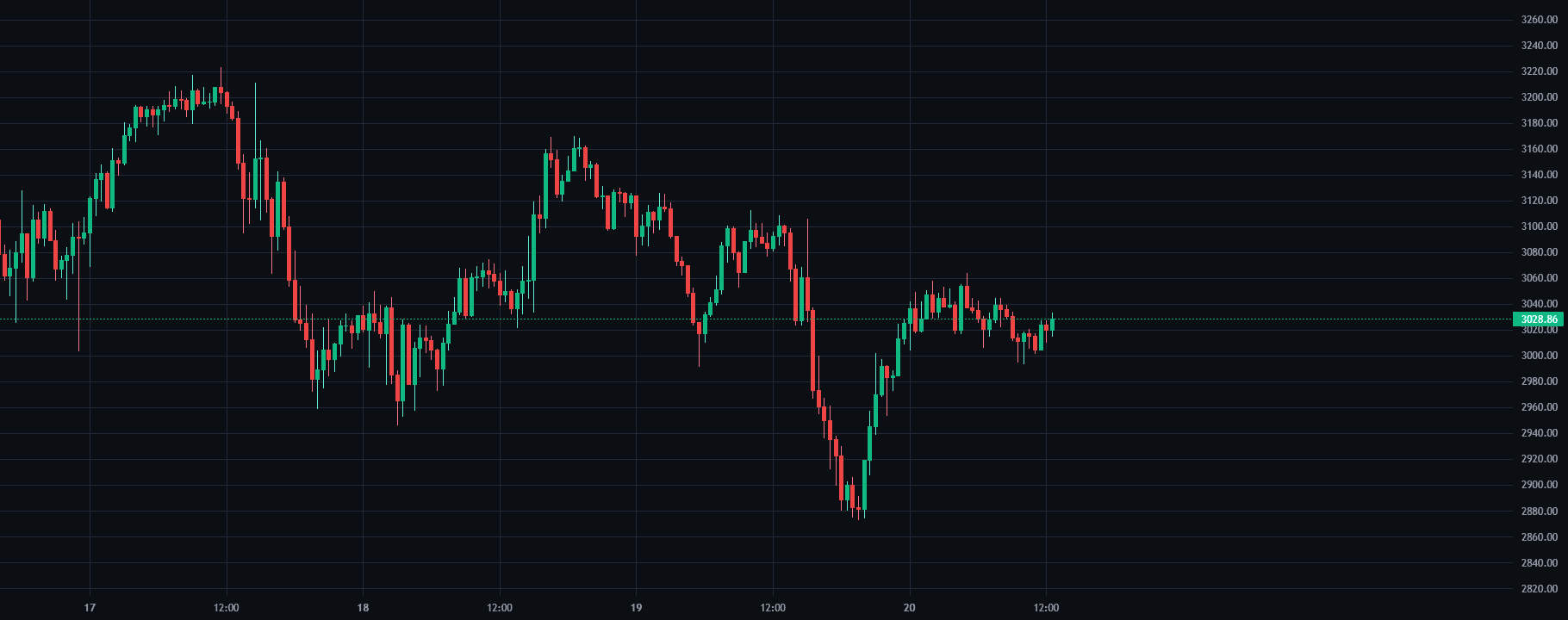
Replay Pages
Practice order blocks on ETH/USDT with real SkillCandle question and replay charts, practical checklists, and common mistake review.
Practice order blocks on SOL/USDT with real SkillCandle question and replay charts, practical checklists, and common mistake review.
Practice order blocks on BTC/USDT with real SkillCandle question and replay charts, practical checklists, and common mistake review.
Next Step
Use the public pages to understand the setup, then move into SkillCandle to practice the same read with a partial chart, replay reveal, and journal loop.
Free Tools
Calculate risk amount, stop distance, and position size for crypto, forex, and gold trades.
Measure risk percent, reward percent, and R multiple from entry, stop, and target.
Turn reward-to-risk into the win rate needed just to break even.
Related Blog Posts
A practice-first guide to order block trading strategy work, including what to review in replay, what to avoid, and how to tighten invalidation logic around displacement, structure, and retest quality.
Looking for the best trading simulator for market replay? This updated 2026 guide shows what to compare, what actually improves chart practice, and why replay quality matters more than gimmicks.
A crypto-first framework for practicing price action trading with replay, setup clustering, and review loops instead of random screen time.
FAQ
It improves how quickly you recognize the setup, wait for confirmation, and review the difference between a valid read and a weak one.
Yes. Start with one or two markets where the structure is easiest to read, then expand once your replay accuracy and review notes become consistent.
Stay on the setup until you can explain why the good examples work, why the bad ones fail, and what your next-session rules are.