VWAP Pullback Replay Practice Guide
Judge whether a VWAP pullback is supportive continuation or noise in a weak trend, combining trend structure, VWAP context and replay review.
Key Takeaways
- VWAP can help frame healthy pullbacks inside strong intraday trends.
- Replay makes it easier to separate continuation from random consolidation.
- VWAP should support structure analysis, not replace it.
- Risk-reward and sizing still need to be checked before the trade idea matters.
VWAP pullbacks are useful because they sit at the intersection of trend, timing, and execution discipline.
They are also easy to force when you are impatient. That is why replay practice helps.
One of the recurring themes in popular trading videos is that VWAP works best as a context line, not as magic support. That is the right way to treat it here too. A pullback is only interesting if trend structure already supports continuation.
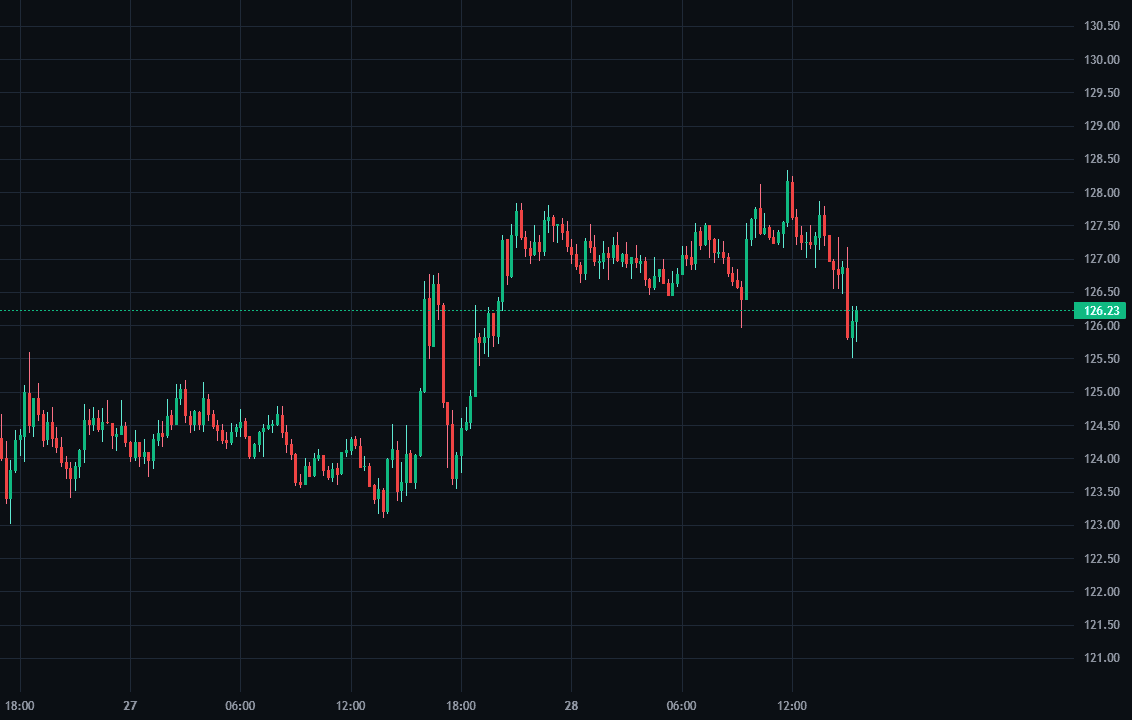
What to look for first
VWAP works better when the chart already has:
- clear directional impulse
- shallow or controlled pullback
- structure that still favors continuation
What a good VWAP pullback usually includes
A good VWAP pullback setup usually has most of these ingredients:
- strong directional impulse before the retracement
- shallow or controlled pullback instead of collapse
- no obvious structural break against the trend
- enough room for continuation after the entry
If those pieces are missing, VWAP often becomes an excuse to buy or sell too early.
Replay workflow
Practice workflow
VWAP pullback workflow
- Identify the dominant trend before worrying about the pullback entry.
- Judge whether the pullback is controlled or whether structure is already weakening.
- Use the replay to see whether continuation actually returns with intent after the retracement.
- Review whether the trade would still make sense after risk-reward and position sizing are applied.
The question replay answers best
The replay does not answer whether VWAP was touched.
It answers whether:
- the trend was still healthy
- the retracement stayed controlled
- continuation actually returned with intent
- the trade still had enough room after risk was applied
That is why replay is such a good training environment for how to trade VWAP pullbacks. It separates structural continuation from emotional pattern-matching.
Review checklist
VWAP pullback checklist
- Do not take every pullback that touches a moving reference.
- Look for continuation evidence in price structure first.
- Check the reward profile before you call the setup good.
- Review whether the pullback was healthy or already a warning sign.
Common VWAP mistakes
Most traders miss for one of four reasons:
- they force VWAP trades on range days
- they ignore weak reward-to-risk
- they buy the first touch after a parabolic move without checking the pullback quality
- they treat VWAP as more important than the actual trend structure
If your replay notes keep saying “VWAP touched but did not hold,” the fix is usually not a different indicator. It is a better trend filter.
Pair the idea with tools and replay
A good workflow is:
- review the pullback on a page like SOL/USDT replay practice
- open the Trend Continuation setup hub
- check the Risk Reward Calculator
- then run the replay
That keeps VWAP in the right place: supporting the structure read, not replacing it.
Bottom line
VWAP pullbacks become more useful when you train them through replay and review instead of reacting to every touch in real time.
Use VWAP to support a continuation read, not to replace one.
Next step
Replay price action setups inside SkillCandle
Move from reading about the setup to actually practicing it with a partial chart, replay reveal, and tracked review notes.
FAQ
Questions traders ask about this topic
Why practice VWAP pullbacks in replay instead of live only?
Replay forces the decision before you know whether the pullback actually holds. That is where pattern recognition improves fastest.
Is VWAP enough by itself?
No. VWAP works best when trend structure, displacement, and pullback quality all point in the same direction.
What kind of day is best for VWAP pullbacks?
VWAP pullbacks usually work best on clean trend days, not on random choppy sessions where price keeps crossing back and forth without directional intent.
Related Reads
Keep building the cluster
How to Practice Price Action Trading
A crypto-first framework for practicing price action trading with replay, setup clustering, and review loops instead of random screen time.
SOL Trend Continuation Replay Guide
Use this SOL trend continuation replay guide to practice staying with the dominant move instead of forcing reversals every time momentum pauses.
ATR Stop Placement for Replay Traders
Use ATR as a stop-placement reference in replay practice so stops reflect volatility rather than a random distance, combined with structure and sizing.
Crypto Trading Practice Simulator [Updated 2026]
Practice crypto trading with replay instead of random chart watching. This 2026 guide covers crypto trading practice, BTC/ETH/SOL replay, and review loops.