BTC Market Structure Shift Replay Guide
A replay-first guide to practicing BTC market structure shifts so you can stop calling every bounce a reversal and start reading genuine transition points.
Key Takeaways
- A structure shift needs real displacement, not just a local bounce.
- Replay helps traders separate true transition points from random BTC noise.
- Review notes should name the exact structure clue that was trusted too early.
- BTC structure shift training works best when isolated into short focused blocks.
A BTC market structure shift is easy to misread in hindsight. It looks obvious after the breakout has already expanded. The difficult part is reading the transition close to the live decision point without forcing a reversal call too early.
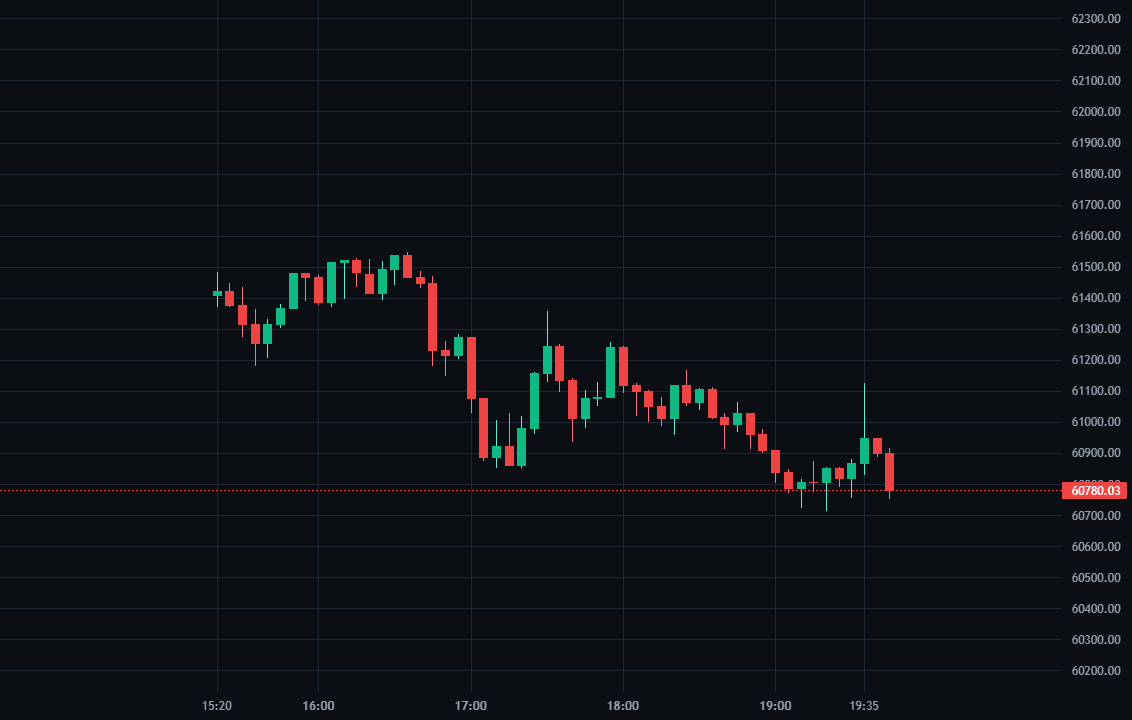
What actually counts as a structure shift
A market structure shift is not every higher low, and it is not every reclaim after a sweep. The read becomes valid only when price starts displacing the prior structure with enough intent to change the context.
Signs that the read may be real:
- the prior swing is clearly broken or displaced
- the reclaim holds instead of instantly failing
- continuation candles support the transition instead of stalling immediately
How to practice it in replay
This guide supports the pillar How to Practice Price Action Trading. Keep the session narrow and use replay to test whether you are early, accurate, or forcing reversals.
Practice workflow
BTC structure shift replay block
- Choose one BTC timeframe and run a short session where you only care about transition points.
- Mark the swing that would need to break before you accept the shift.
- Commit to the read before the reveal instead of waiting for hindsight clarity.
- Write one review note naming the exact reason the read was valid or invalid.
Review checklist
Structure shift review checklist
- Did price displace the prior structure or only react inside the same range?
- Was the reclaim accepted or instantly rejected?
- Did I call the shift before the real invalidation happened?
- Can I name the exact clue that made me trust the move?
Bottom line
BTC structure shift practice gets better when you stop asking whether a candle looked strong and start asking whether the prior structure was actually displaced. Replay is the fastest way to make that distinction measurable.
Next step
Replay price action setups inside SkillCandle
Move from reading about the setup to actually practicing it with a partial chart, replay reveal, and tracked review notes.
FAQ
Questions traders ask about this topic
What is the biggest mistake when reading a BTC structure shift?
The biggest mistake is calling a single bounce or reclaim a trend change without confirming that the prior structure has actually been displaced.
Why is replay useful for structure shift training?
Replay forces a directional decision before the next candles print, which exposes whether the structure read was genuine or hindsight.
Should I combine structure shift practice with other setups?
It is better to isolate structure shift practice for short blocks so the review notes stay clean and the mistake pattern is easier to identify.
Related Reads
Keep building the cluster
How to Practice Price Action Trading
A crypto-first framework for practicing price action trading with replay, setup clustering, and review loops instead of random screen time.
Best Way to Practice BTC Price Action
The best way to practice BTC price action is replay-based repetition with tight setup focus, not passive chart watching. This guide shows how to structure that loop.
Breakout Retest Trading Setup Guide
Practise breakout retests in replay and learn whether a retest is constructive or already losing acceptance, with fewer false-breakout mistakes.