How to Practice News Reaction Trading [Replay Guide]
A practical replay guide to news reaction trading so you can study post-event structure and volatility without turning every headline into random clicking.
Key Takeaways
- News reaction practice should focus on post-event structure, not on predicting headlines.
- Replay is useful because it slows down the learning loop without removing the uncertainty.
- Traders improve faster when they review continuation quality after the event spike.
- A clean news reaction workflow avoids random clicking during high-volatility windows.
If you are searching for how to practice news reaction trading, the first filter is simple: practice the reaction, not the headline prediction.
News reaction trading is one of the easiest workflows to overestimate. Traders often remember the headline, the spike, and the big candle, but they forget whether the actual structure after the event gave a usable read.
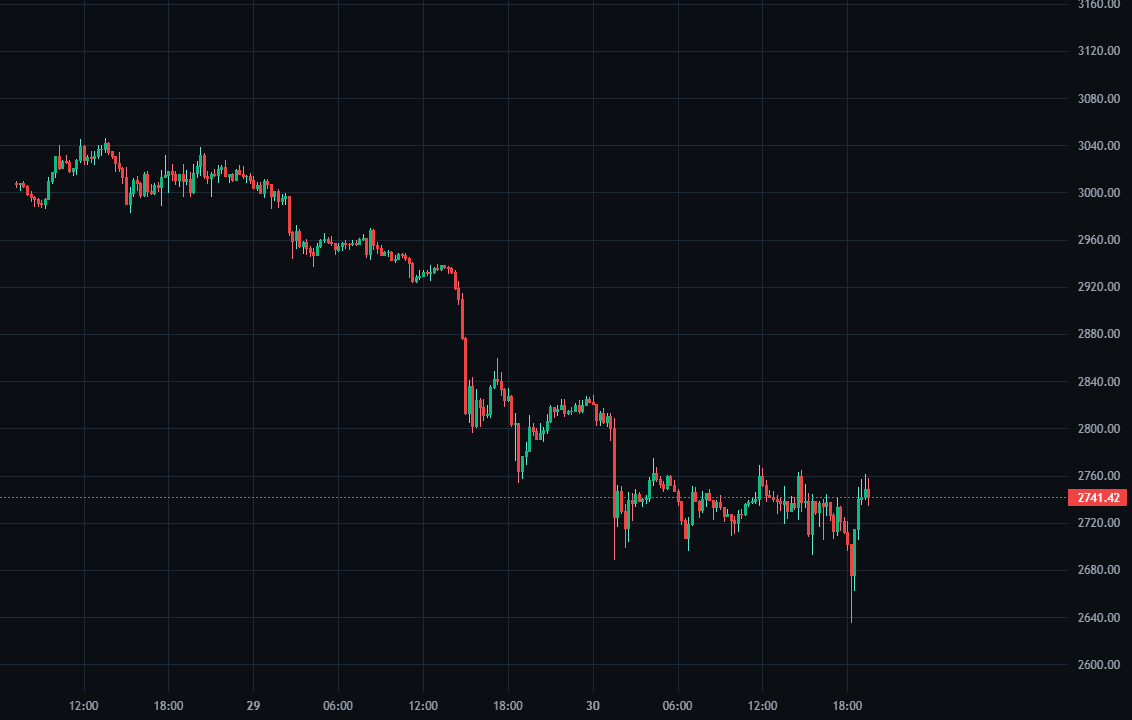
Practice the reaction, not the headline prediction
This guide supports Best Trading Simulator for Market Replay. The main mistake in news practice is turning it into headline guessing instead of chart reading.
Better questions are:
- did the spike create a real continuation or only a fast trap?
- did price accept above or below the event level?
- was the volatility readable after the first impulse?
Visual model
Simple news-reaction sequence
A useful news read is usually range, impulse, acceptance test, then continuation or failure.
Step 1
Mark the pre-event range
Start with the balance area so you can judge whether the event actually changed structure.
Step 2
Watch the first impulse
The spike tells you volatility expanded, not whether the move is automatically tradable.
Step 3
Check for acceptance
Ask whether price can hold outside the old range instead of snapping back into noise.
Step 4
Decide continuation or failure
That post-event behavior is usually more useful than the headline itself.
The repeated lesson from macro trading videos
Across high-view macro and news-trading videos, the same warning keeps coming up: the first candle gets all the attention, but the real information comes from what price does right after the shock.
That is why news practice should be built around a short sequence:
- mark the pre-event balance area
- watch the first impulse print
- judge whether the market holds outside that area
- only then decide whether the reaction is continuation or failure
If you skip that sequence, the practice usually becomes volatility watching instead of structure reading.
Build a repeatable news reaction block
Practice workflow
News reaction replay routine
- Choose one event window and keep the focus on the chart, not the headline itself.
- Mark the pre-event range so you can see whether price truly leaves it.
- Watch how the first impulse resolves into continuation, failure, or chop.
- Write one review note about what confirmed or invalidated the reaction.
Review checklist
What to review after a news window
- Did price gain acceptance outside the pre-event range?
- Was there usable continuation after the first impulse?
- Did I react to structure or only to volatility?
- Would I recognize the same quality pattern on the next event window?
Bottom line
News reaction practice becomes useful when you stop treating every event as a trade trigger and start studying whether the market actually built a tradable structure after the shock.
Next step
Replay market replay setups inside SkillCandle
Move from reading about the setup to actually practicing it with a partial chart, replay reveal, and tracked review notes.
FAQ
Questions traders ask about this topic
Why practice news reactions in replay instead of live markets?
Replay lets you study the event window and your decision quality without real-time pressure, making it easier to isolate whether the read was valid or impulsive.
Should every news event be traded?
No. The goal is to learn how price behaves after major events, not to force a trade on every release or headline.
What should I review after a news reaction session?
Review whether the move had clean continuation, whether volatility invalidated your structure read, and whether you were reacting to the chart or just to the headline.
Related Reads
Keep building the cluster
Best Trading Simulator for Market Replay [Updated 2026]
What to compare when choosing a market replay simulator, and why replay quality matters more than feature lists for real chart practice.
Market Replay Simulator vs Paper Trading [2026 Comparison]
Market replay simulator or paper trading? What each method trains, when replay wins for chart practice, and where paper trading still helps.
How to Build a Replay Practice Routine
Build a replay routine short enough to keep doing, narrow enough to produce real review data, and structured enough to improve chart reading.